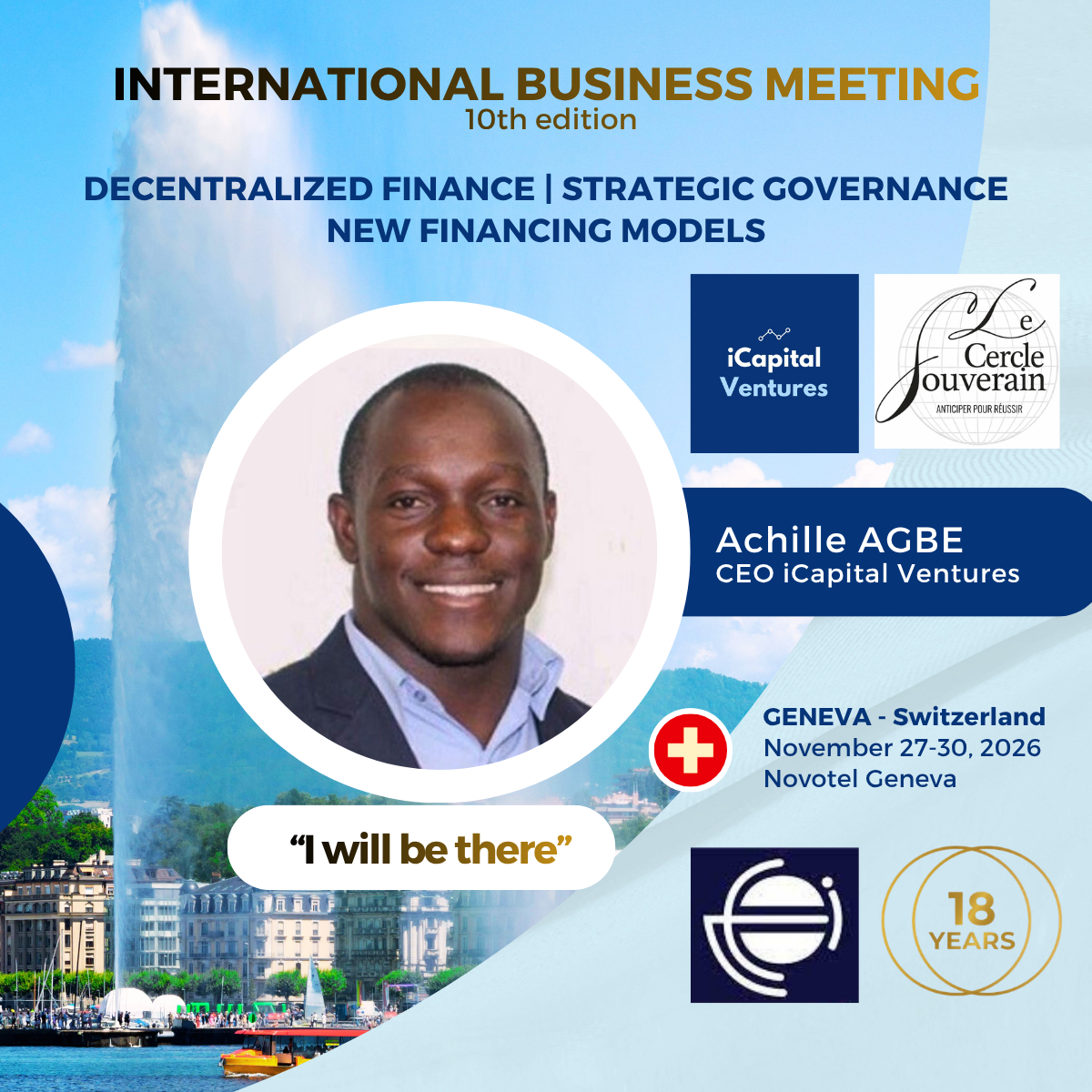
As traditional financial models increasingly reveal their limitations in addressing unequal access to capital and speculation disconnected from the real economy, new doctrines are emerging to rethink wealth creation. Among them, Liorism, formalized by financial expert and entrepreneur Achille AGBE, proposes a radical paradigm shift: circular finance.
Driven by pioneering organizations such as EIC Corporation and supported by advanced technologies including tokenization and blockchain, this doctrine aims to establish sustainable financial inclusion by continuously reinjecting generated value into the real economy.
But what exactly is Liorism? How does its value creation cycle work, and why does it represent a powerful transformation lever for emerging and global markets in 2026? Here is a comprehensive overview of this innovative financial doctrine.
Table of Contents
- What Is Liorism?
- The Origins: Achille AGBE and EIC Corporation
- Circular Finance vs. Traditional Finance
- The Liorism Value Creation Cycle
- Financial Inclusion and Impact on the Real Economy
- Frequently Asked Questions (FAQ)
- Key Figures
- Conclusion
What Is Liorism?
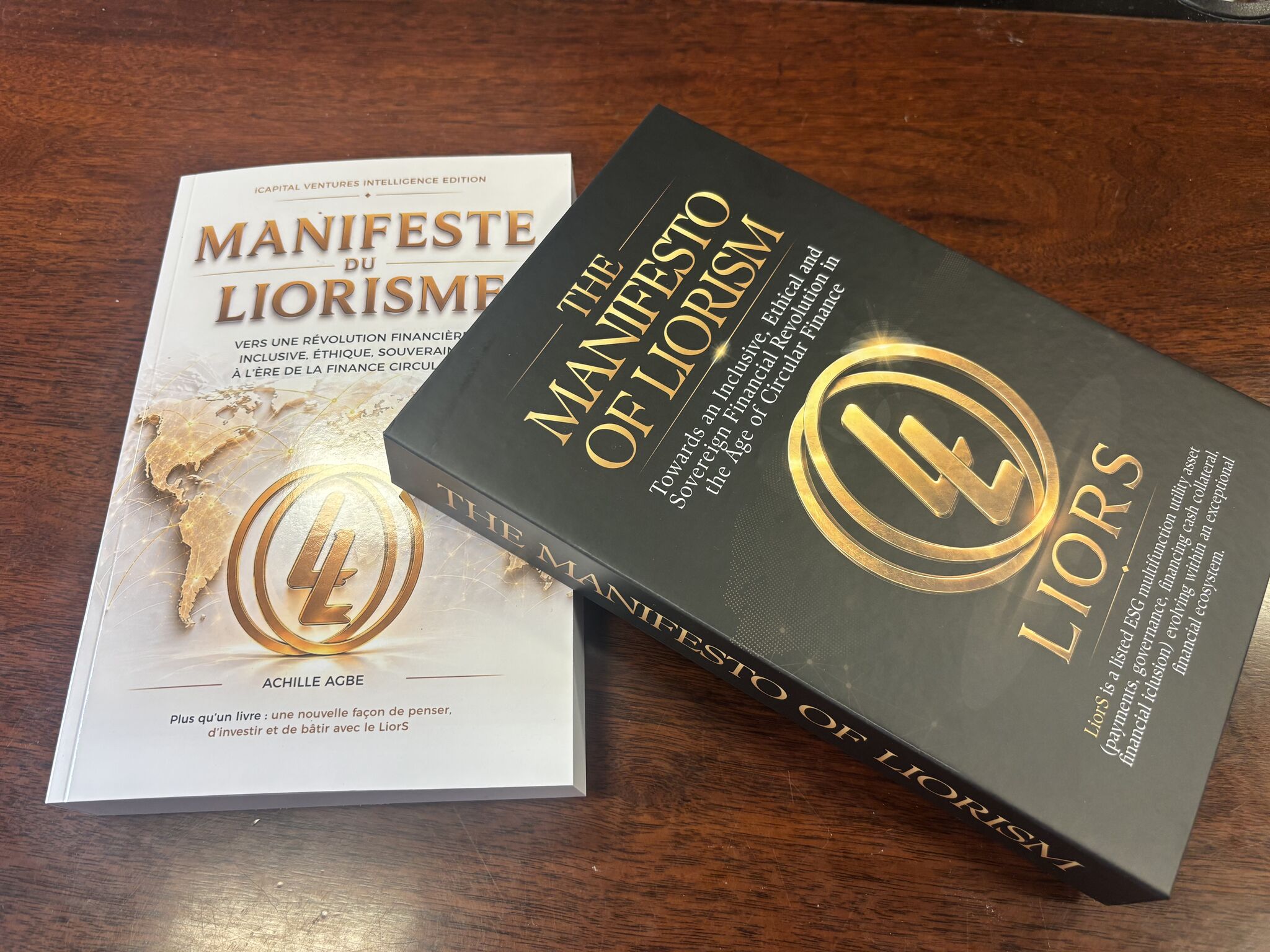
Liorism is an innovative economic and financial doctrine developed by Julien Achille AGBE. Presented in his reference work, The Manifesto of Liorism, this approach is based on a simple observation: traditional finance operates in a linear and extractive way, concentrating capital at the top while excluding a large share of the world’s population.
By contrast, Liorism defines finance as a fluid that should continuously circulate through productive projects. It combines three inseparable pillars:
- Circular Finance: The closed-loop circulation of capital flows to prevent liquidity from leaking out of or becoming blocked within the system.
- Financial Inclusion: Democratizing access to investment and wealth management tools for all citizens.
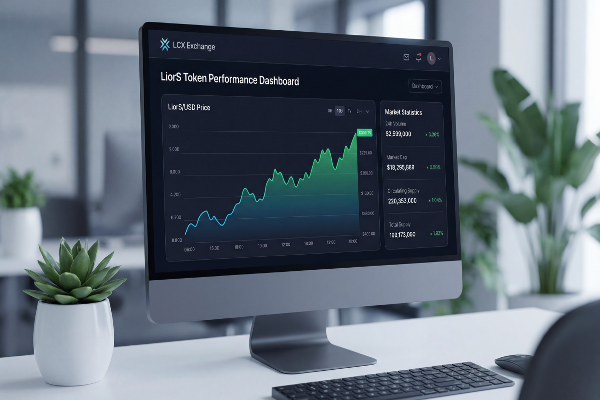
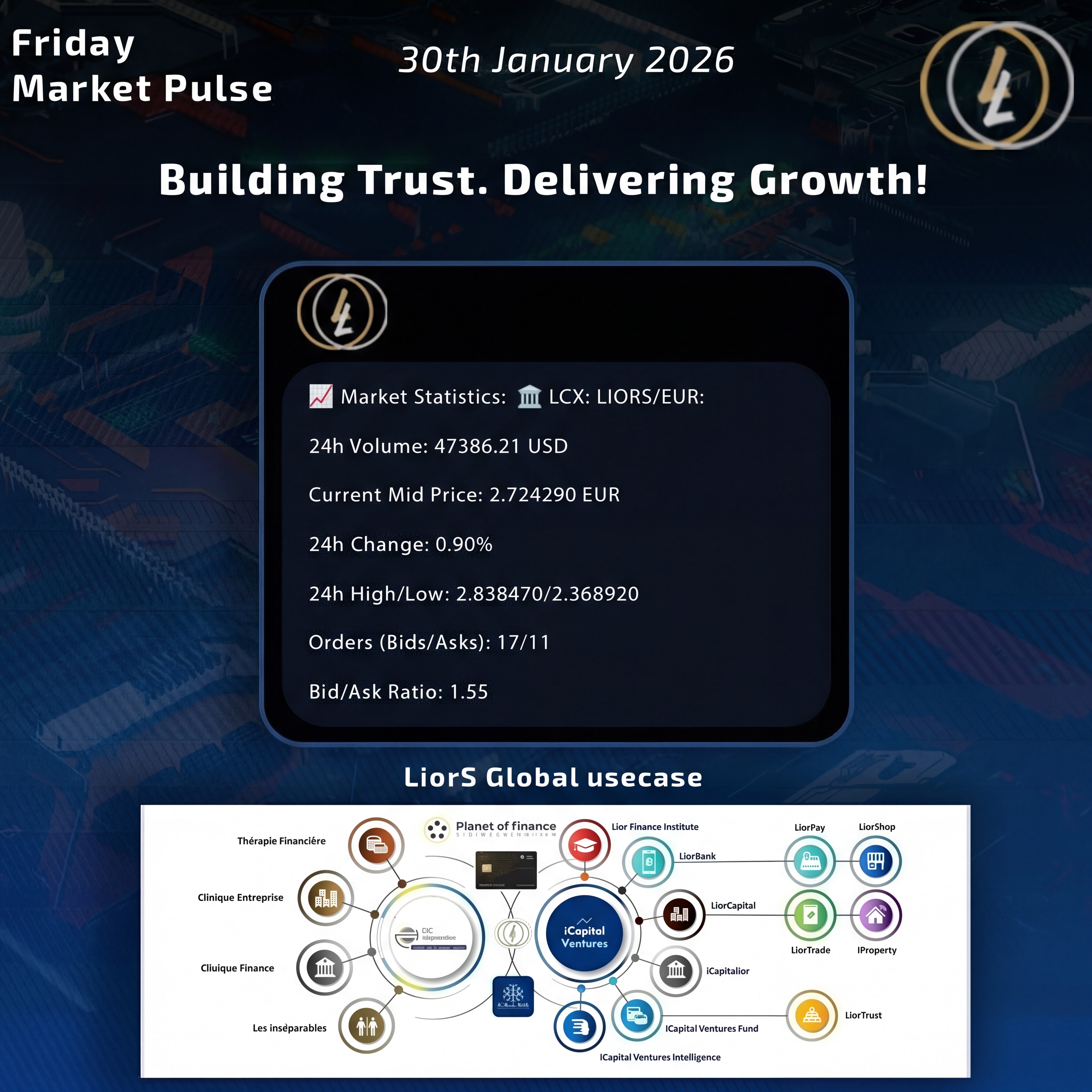
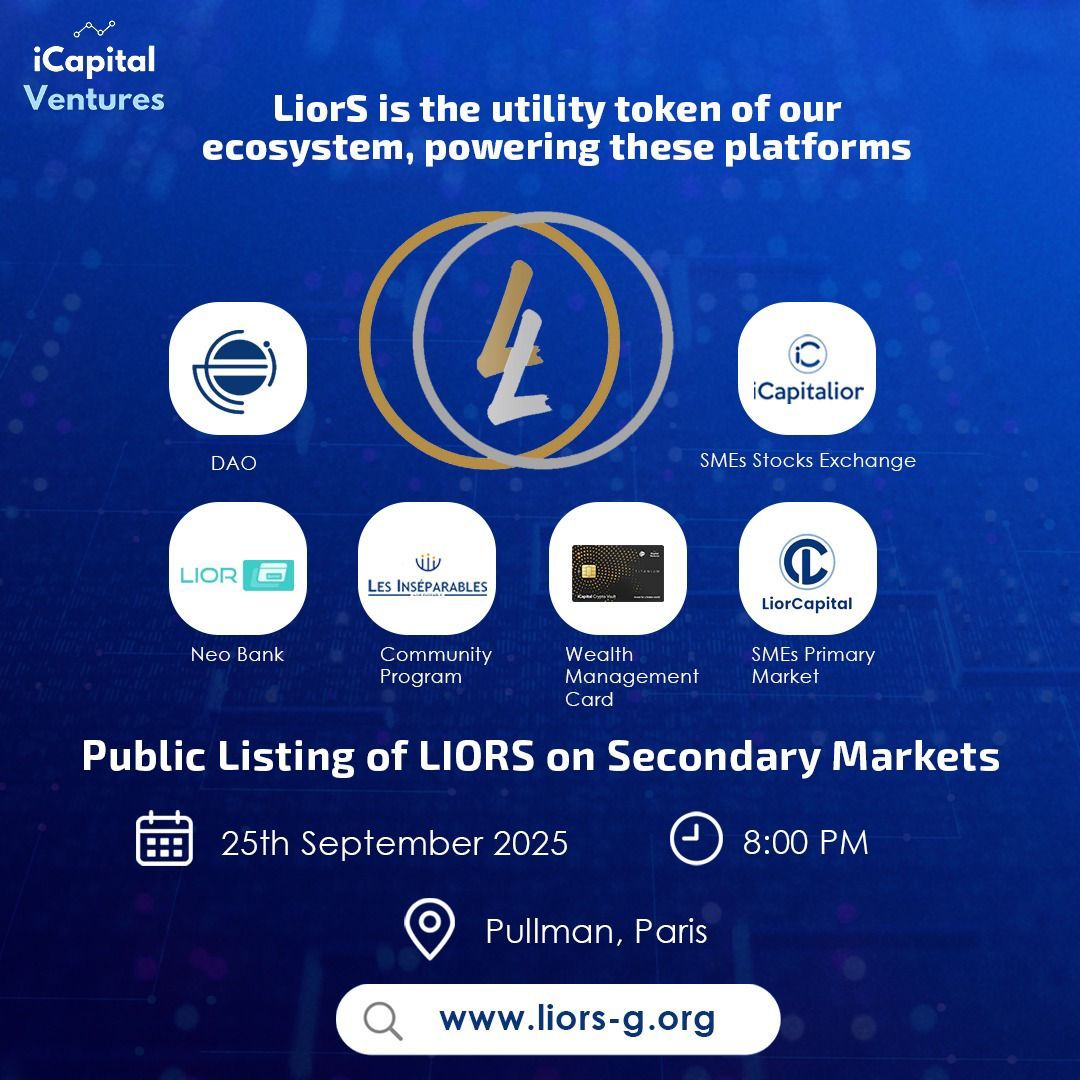
- Technological Innovation: Using blockchain, digital assets such as the LiorS token, and the tokenization of real-world assets (RWA) to enhance transparency and liquidity.
The Origins: Achille AGBE and EIC Corporation
To understand the origins of Liorism, it is important to look at the journey of its founder and the central role played by EIC Corporation.
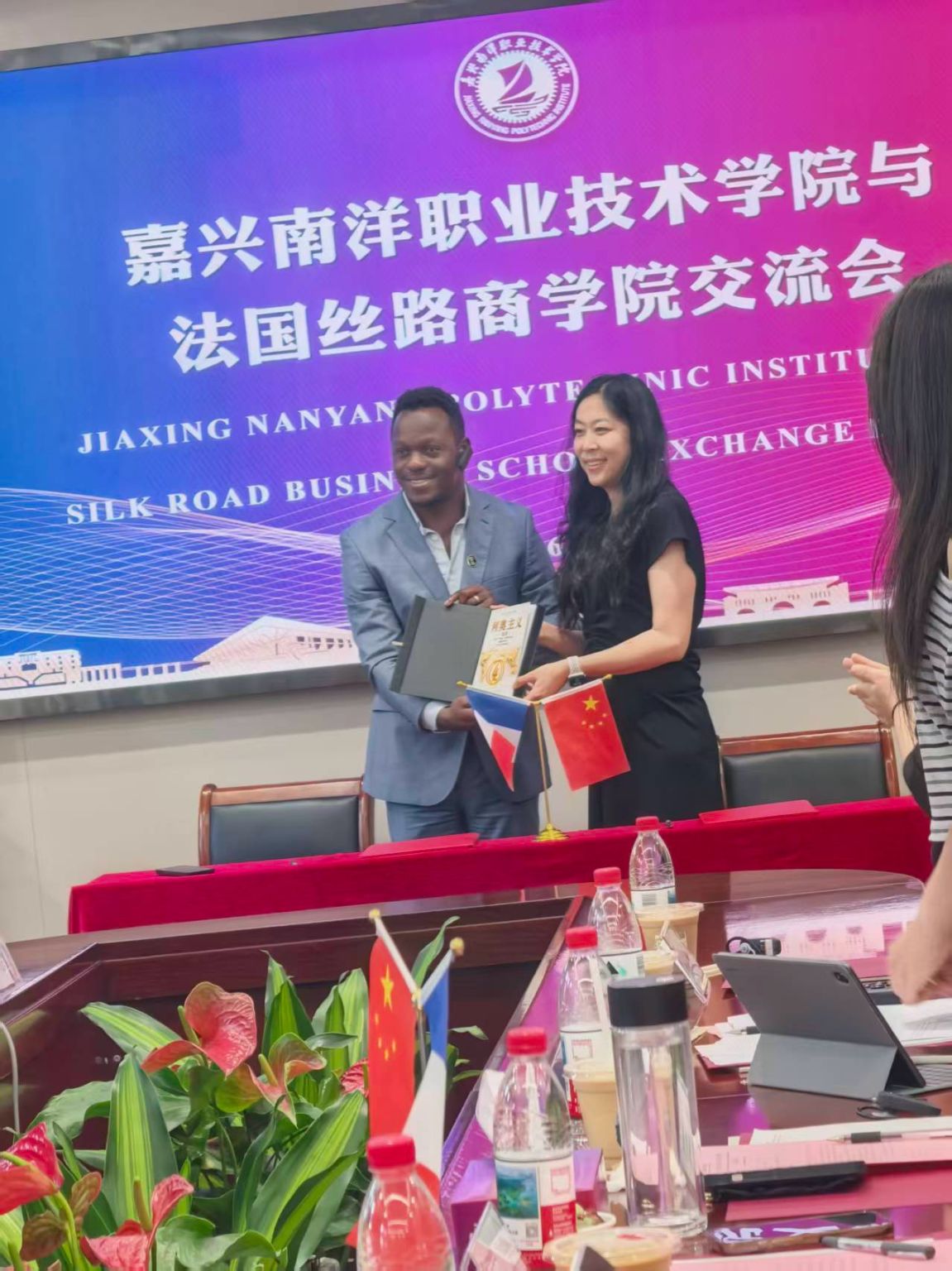
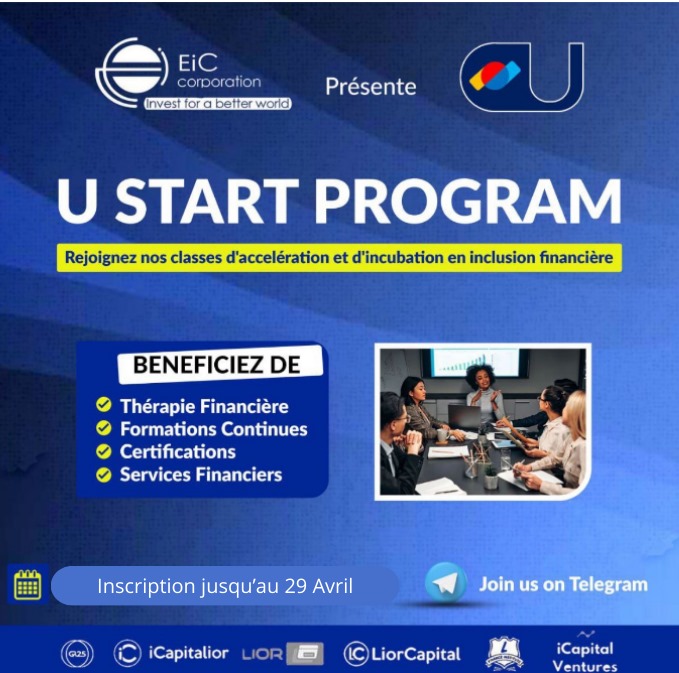
Founded in the early 2010s, EIC Corporation established itself as an international organization dedicated to promoting financial literacy, investment education, and entrepreneurial support. After observing that millions of individuals and small businesses remained excluded from capital markets, Achille AGBE progressively formalized a series of practical and theoretical principles.
“Finance should no longer be a machine for extracting value from the economy, but a circular engine capable of regenerating value where it is created.”
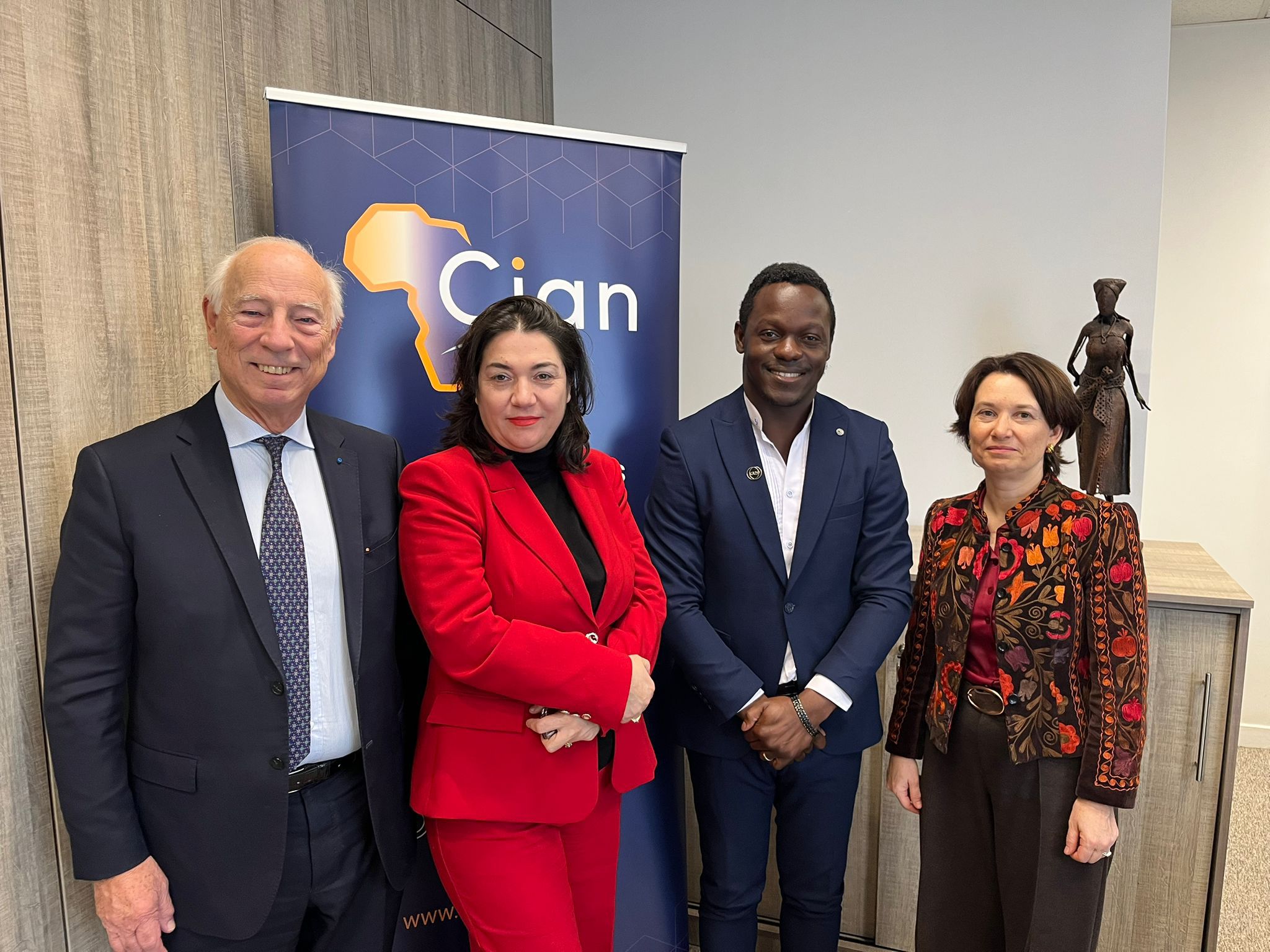
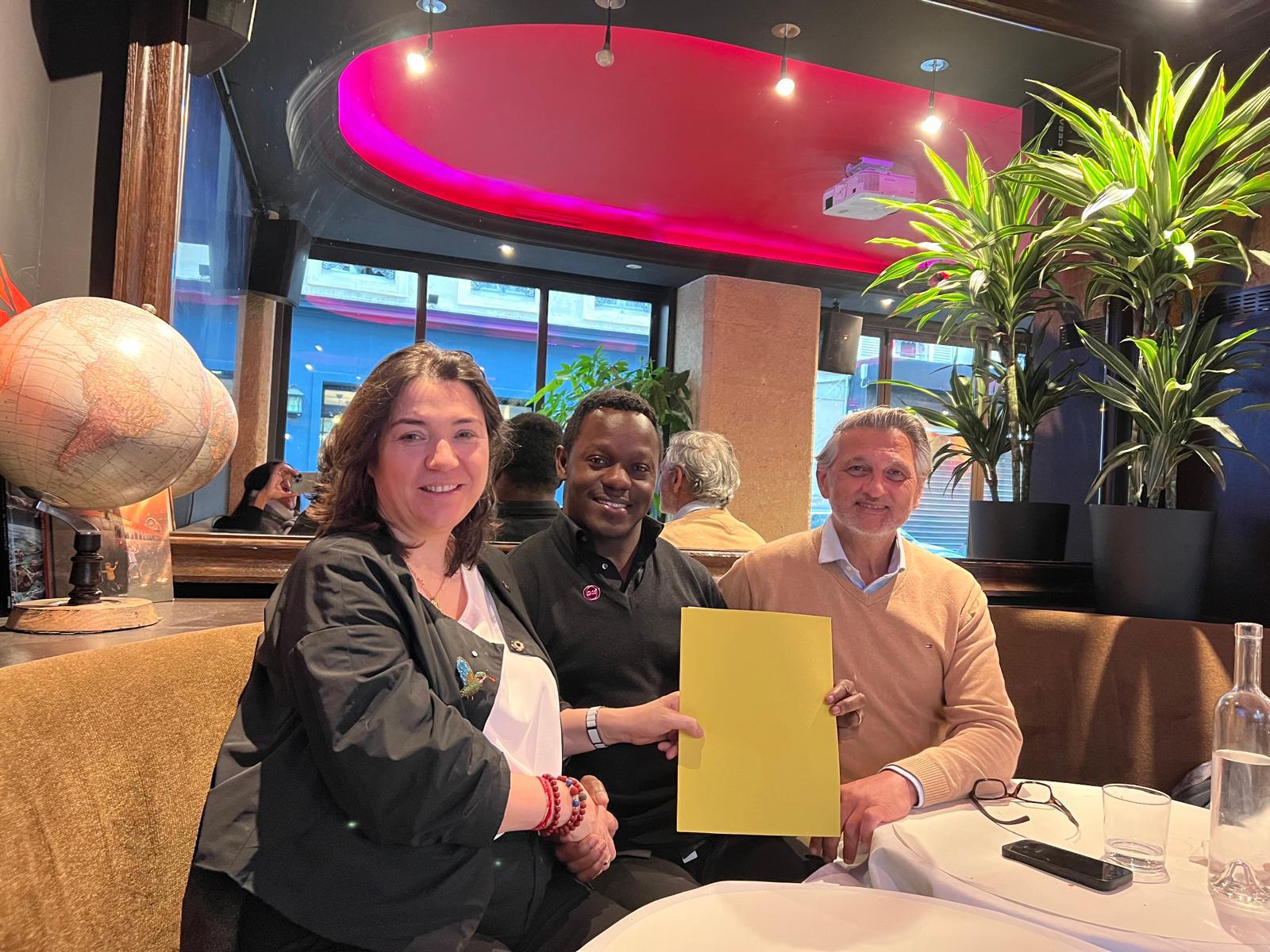
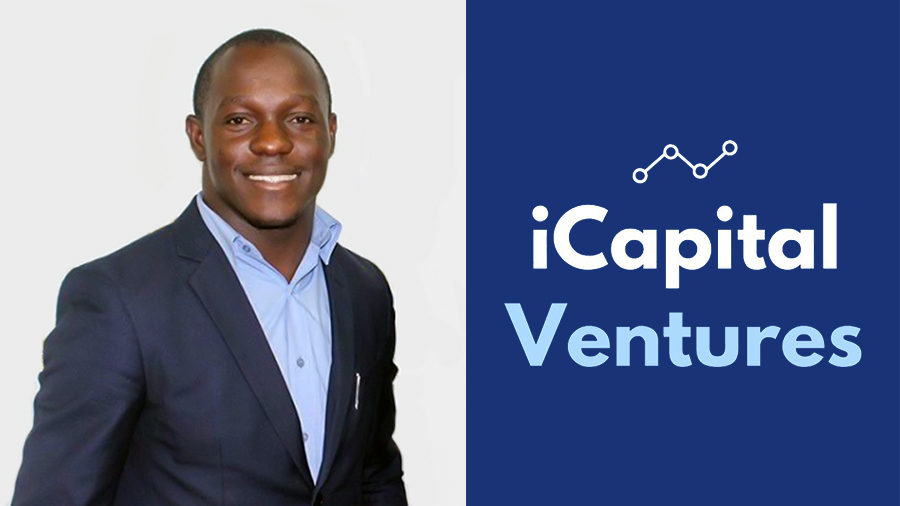
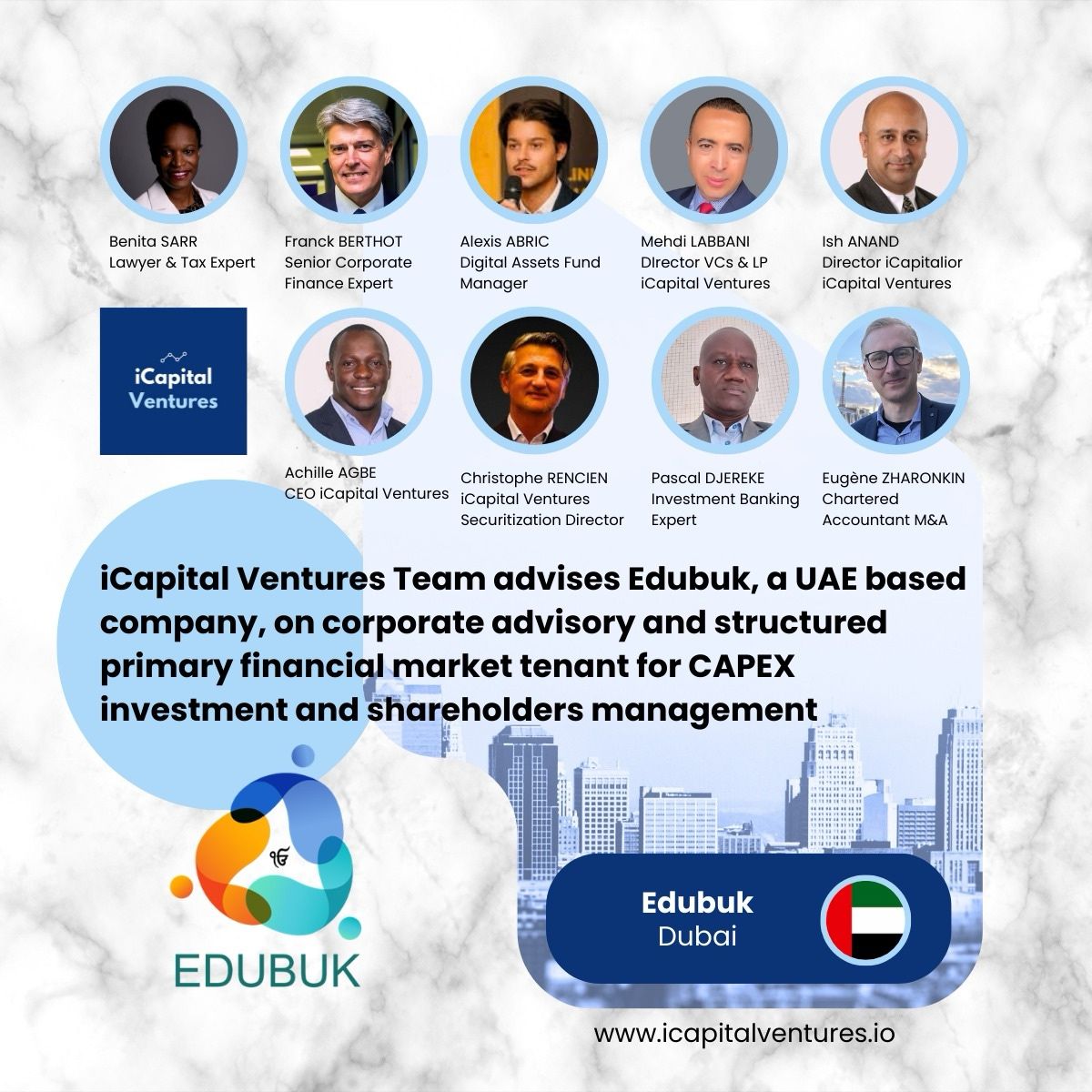
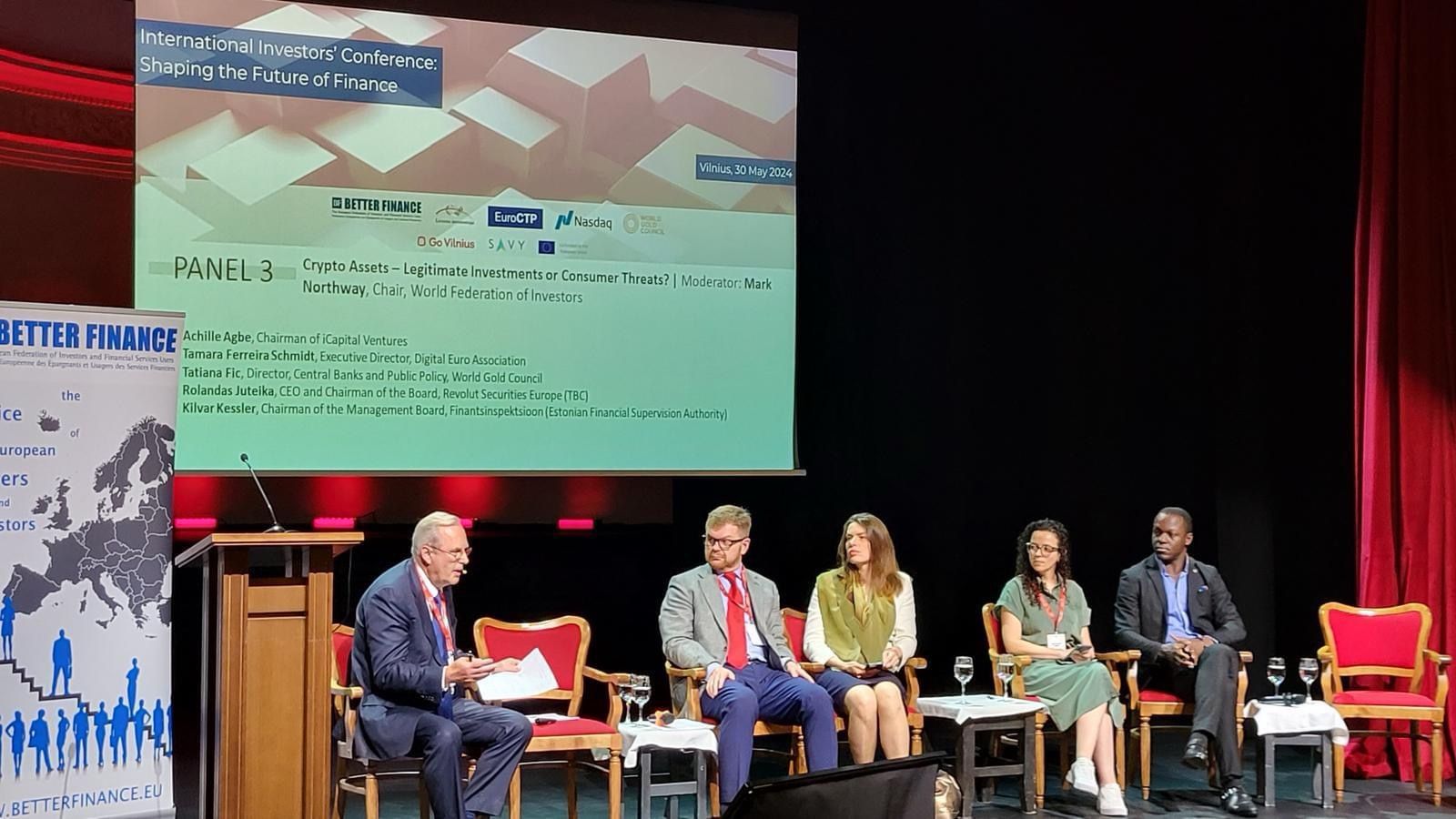
— Achille AGBE, Founder of EIC Corporation and CEO of iCapital Ventures
“Liorism proposes an alternative vision based on circular finance and asset tokenization.”
— Notre Voix
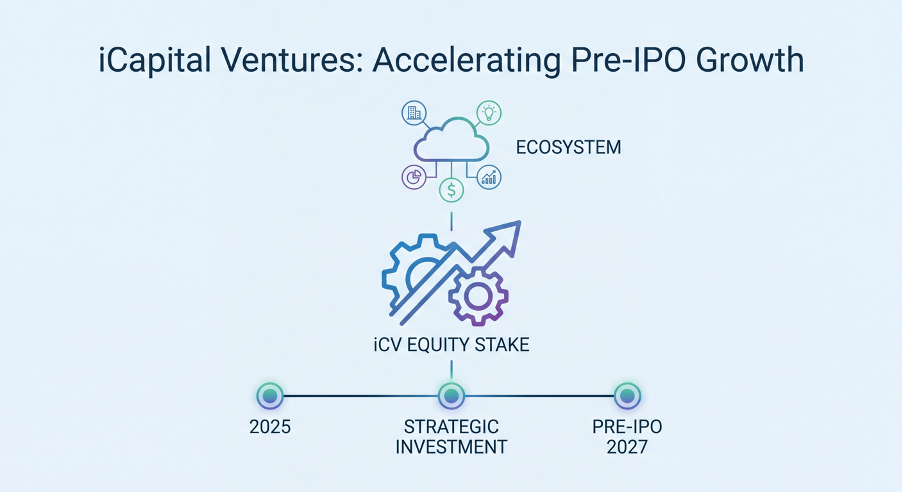
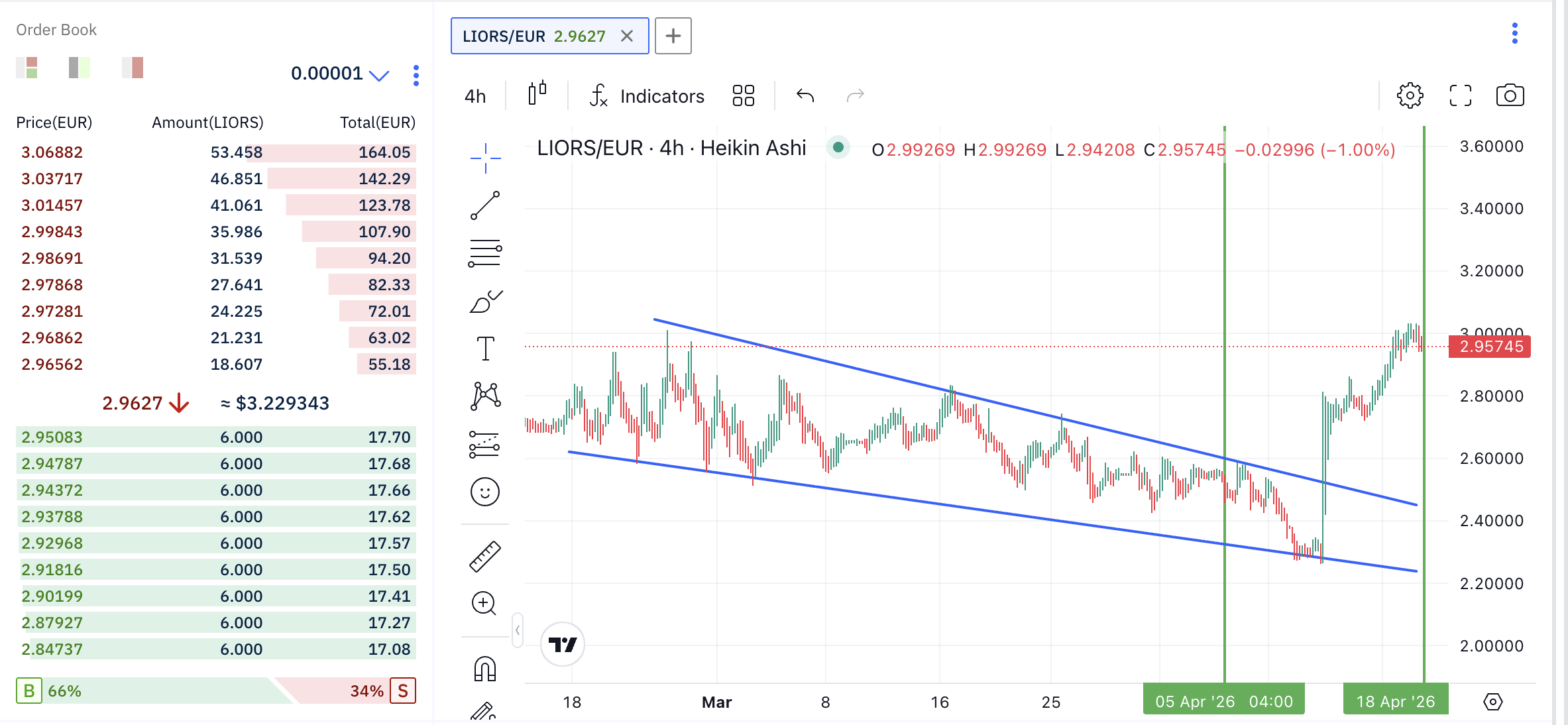
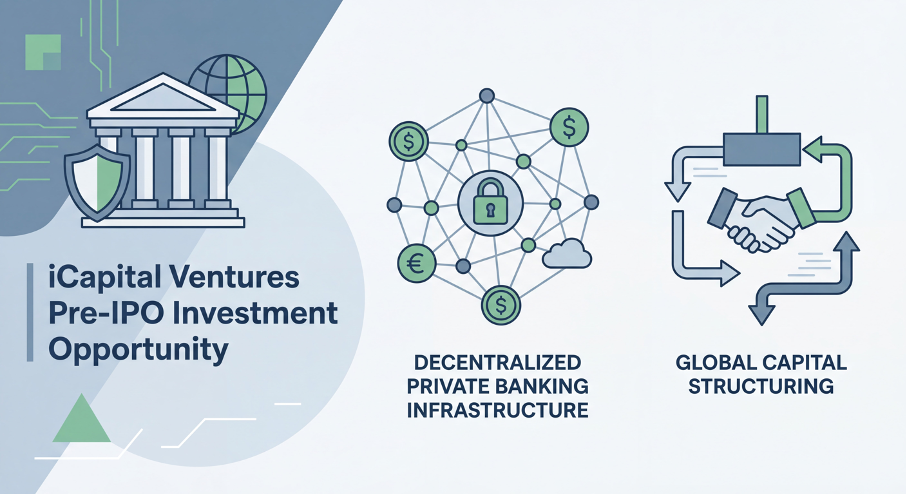
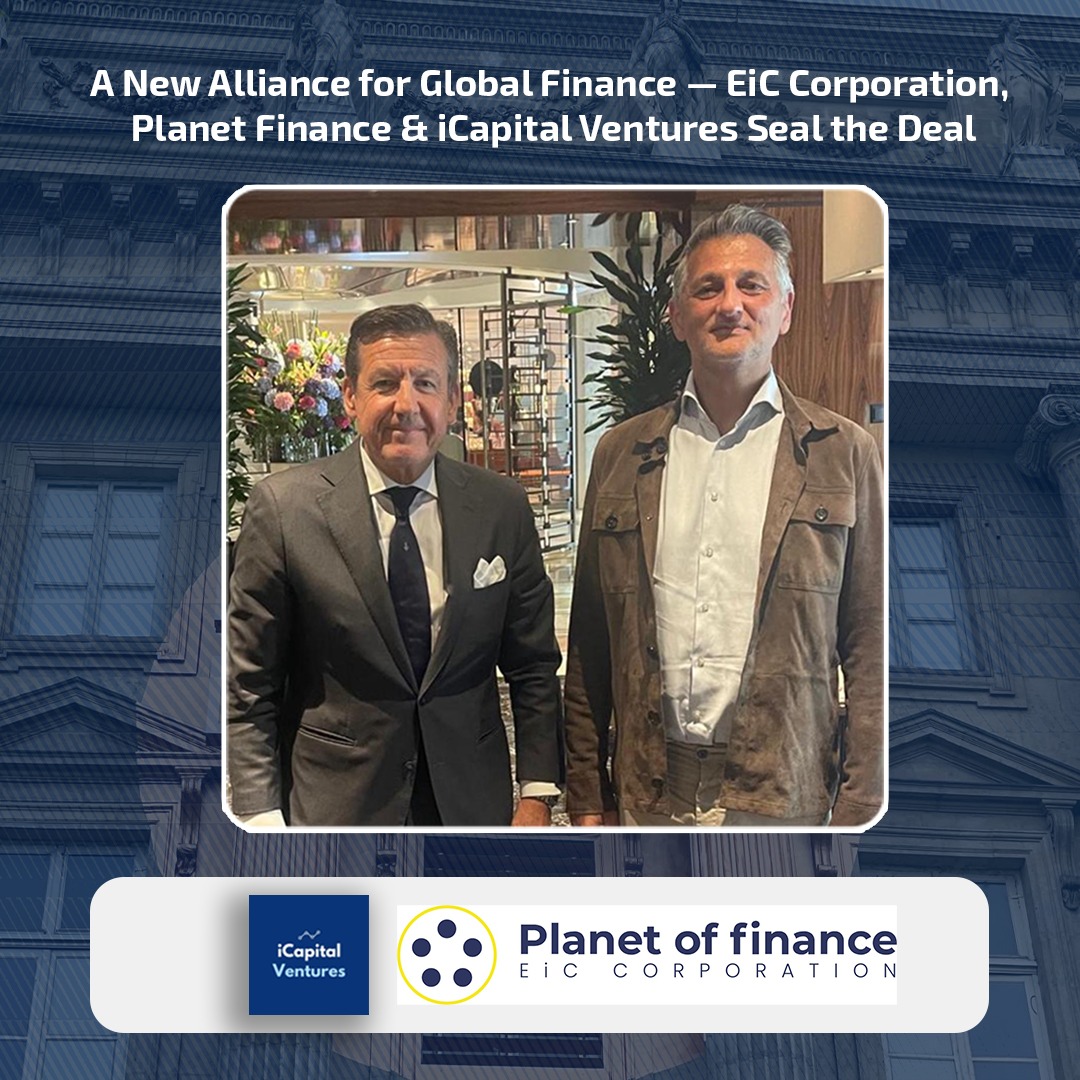
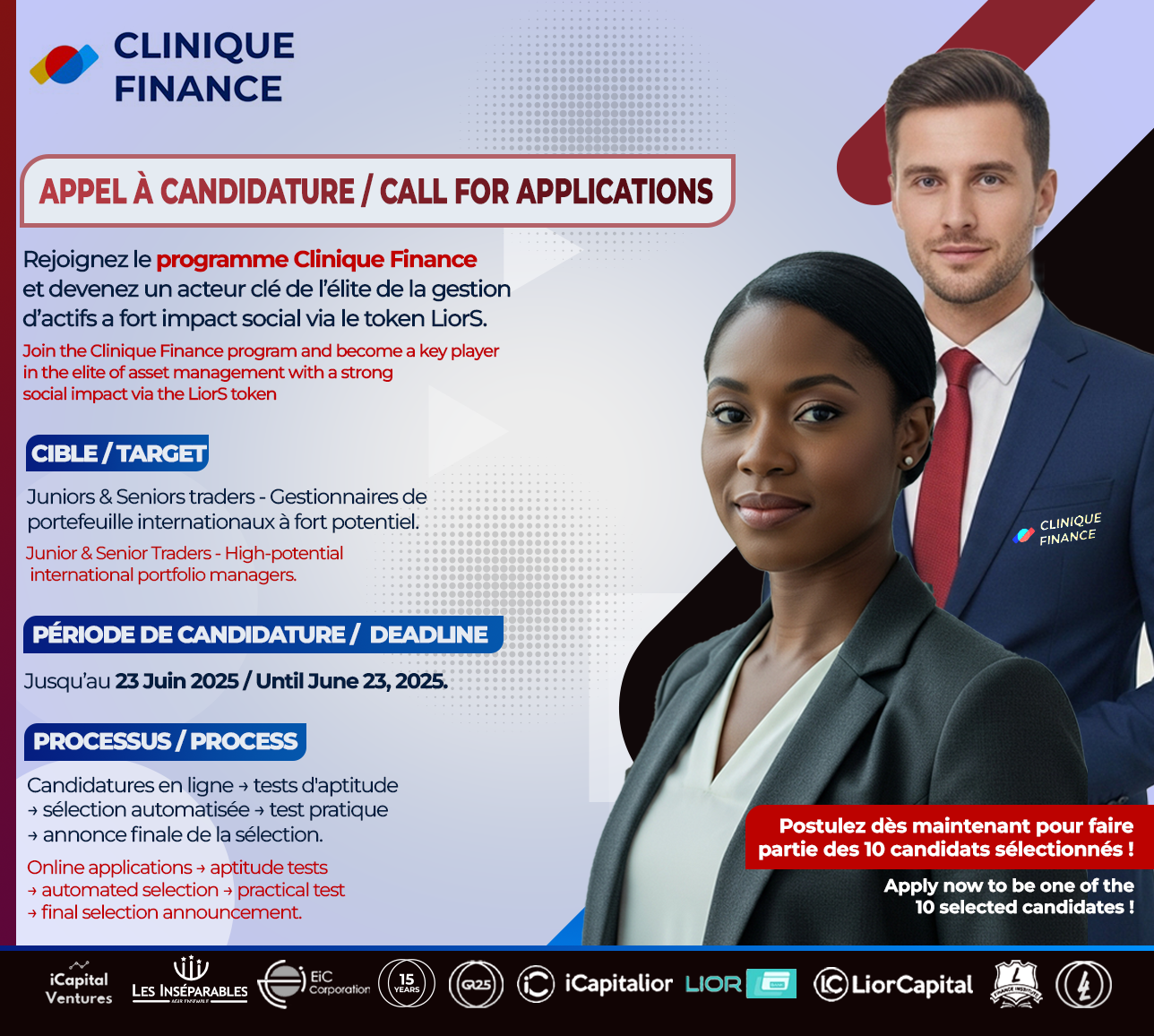
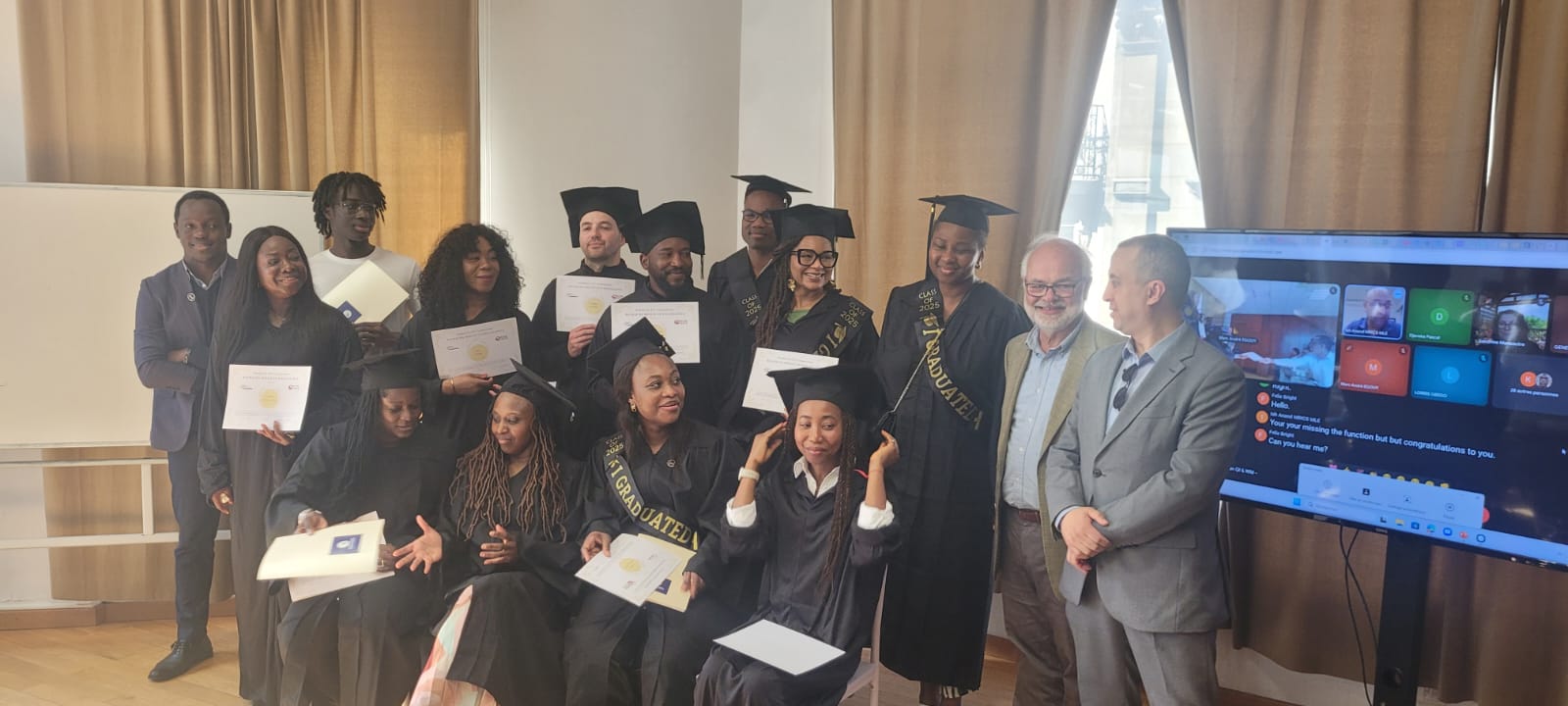
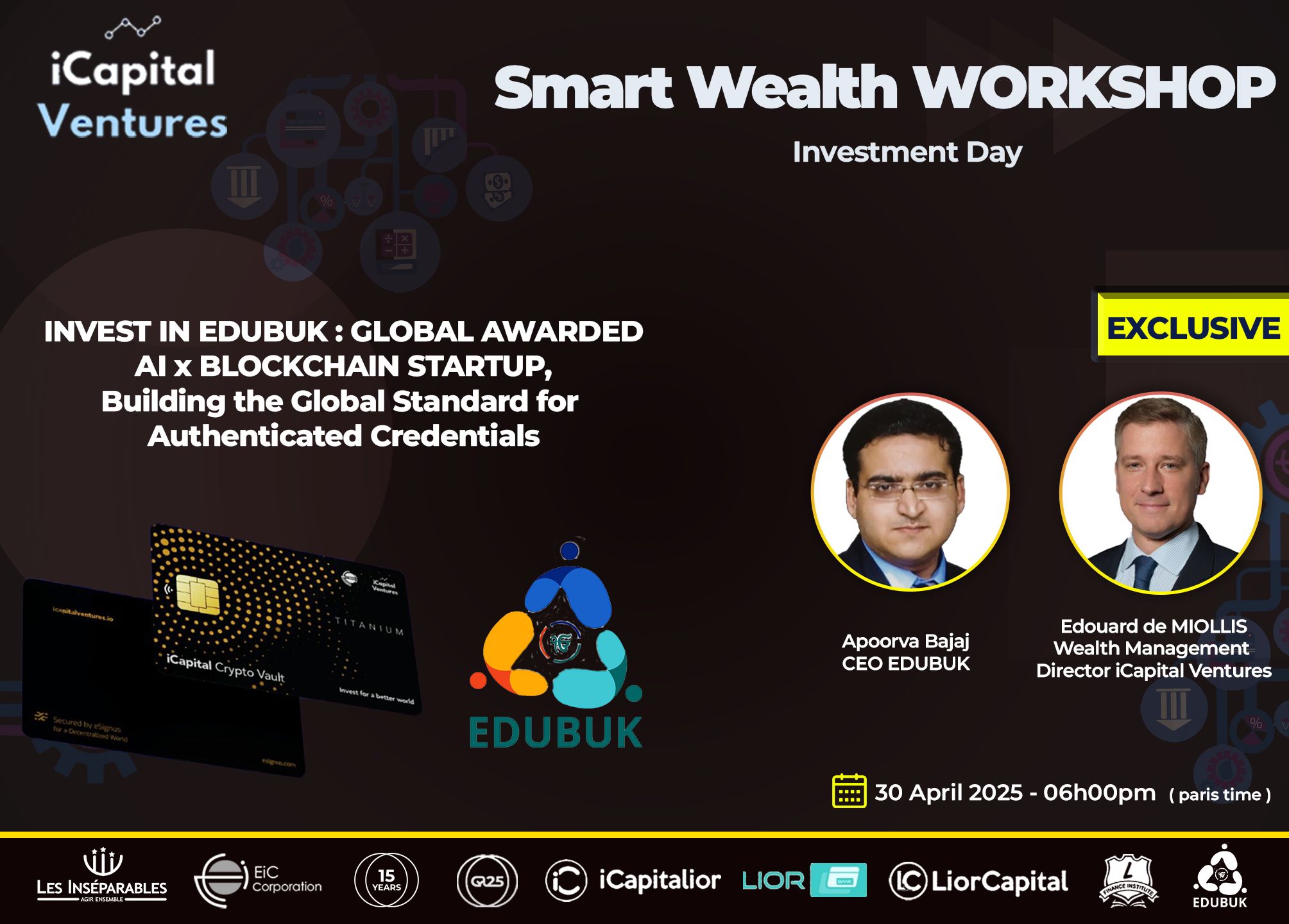
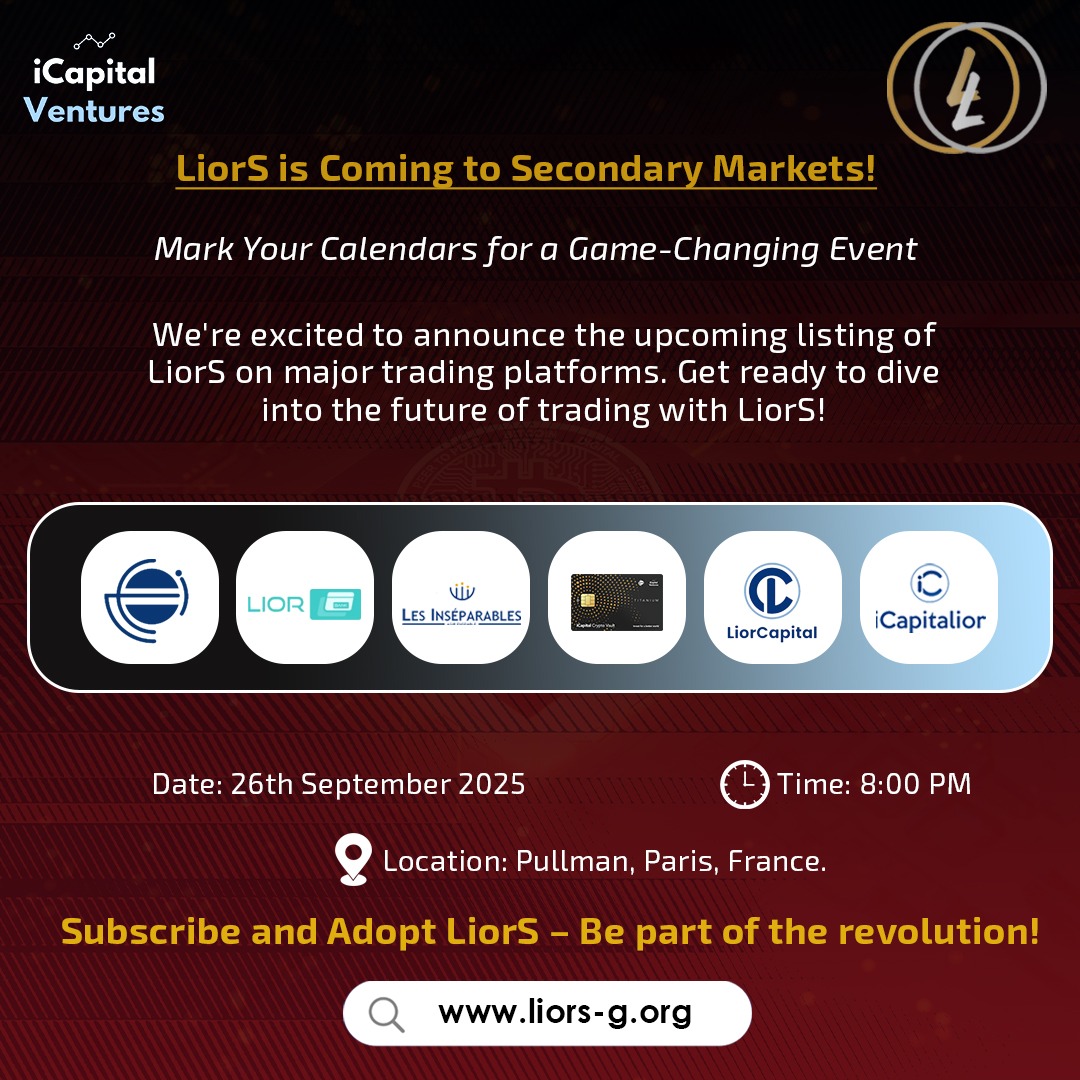
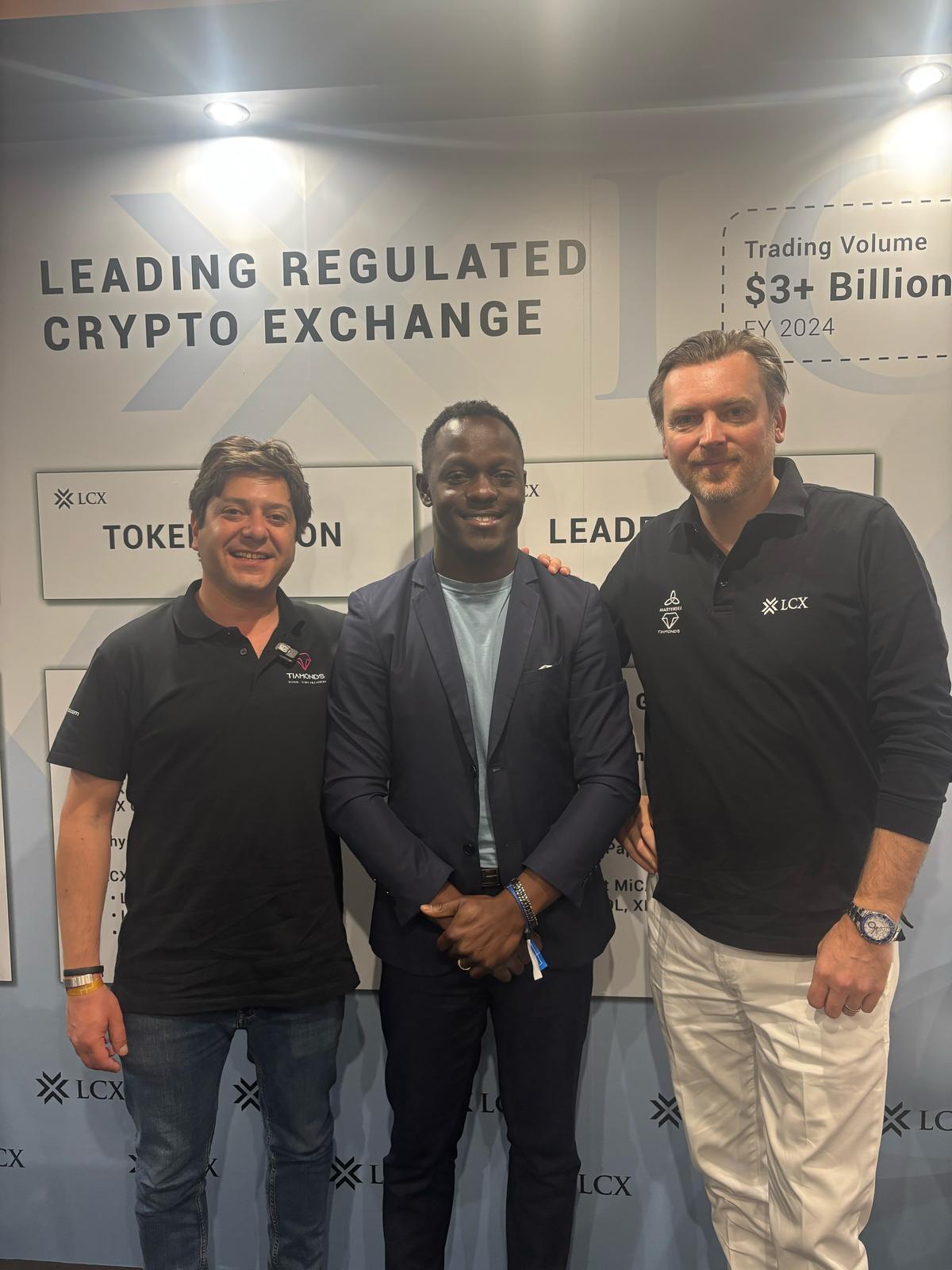
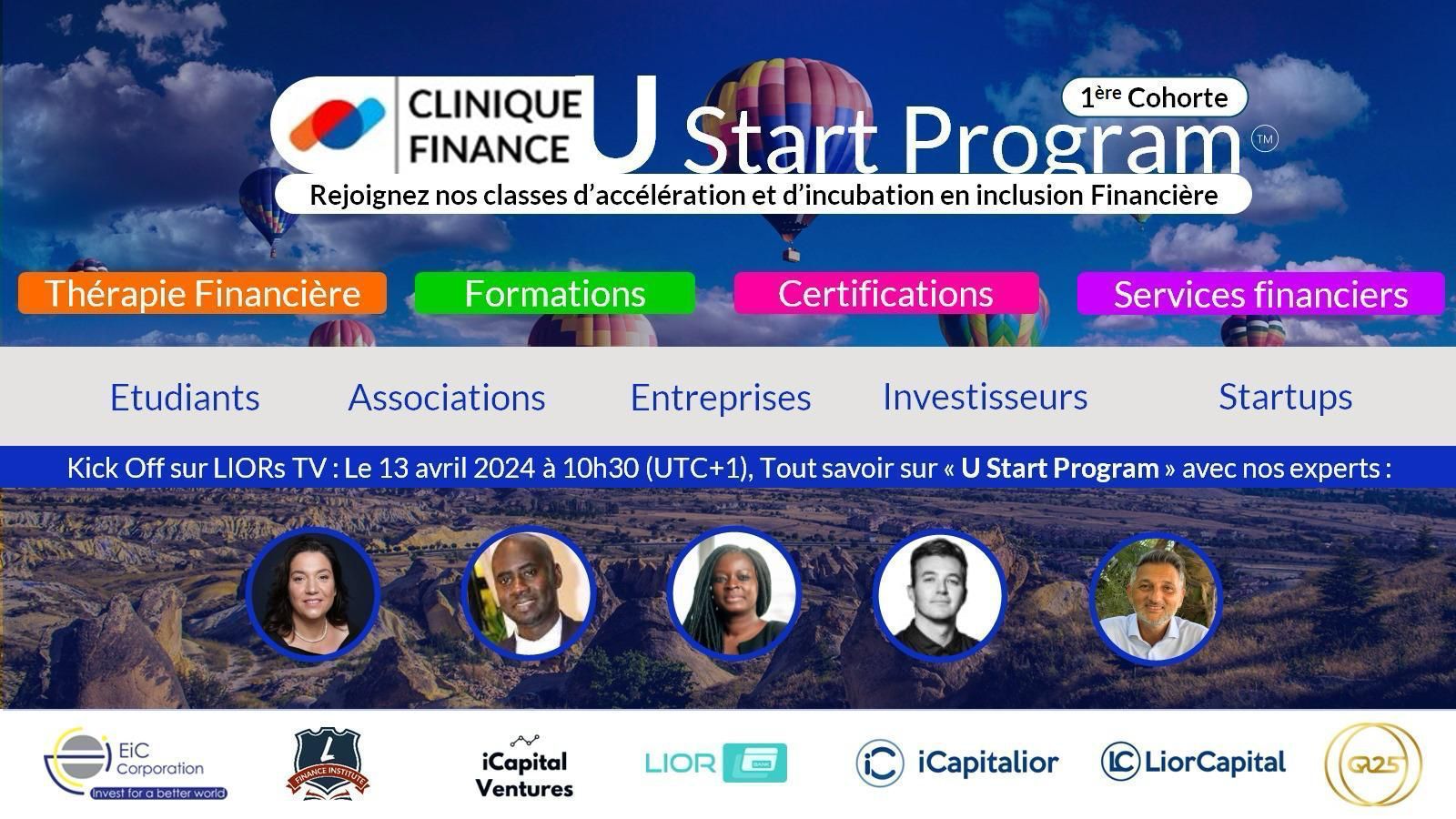
This vision materialized through the development of innovative tools, including iCapital Ventures, the LiorS utility token, listed on the regulated LCX platform, and financial education programs delivered internationally.
Circular Finance vs. Traditional Finance
To better understand the scope of Liorism, it is useful to compare circular finance with the traditional financial model.
| Criterion | Traditional Finance (Linear) | Circular Finance (Liorism) |
| Primary Objective | Maximizing short-term returns | Sustainability, redistribution, and real-world impact |
| Capital Circulation | Extractive, with profits often expatriated or hoarded | Recycled, with value reinjected locally |
| Accessibility | Mainly reserved for institutional and accredited investors | Open to a broader population through tokenization and fractional assets |
| Collateral / Underlying Assets | Complex or speculative derivatives | Real-economy assets such as real estate, SMEs, and agriculture |
| Social Impact | Can reinforce inequalities in access to credit | Promotes financial inclusion and economic sovereignty |
📊 1.4 billion adults worldwide remain unbanked — Global Financial Inclusion
The Liorism Value Creation Cycle
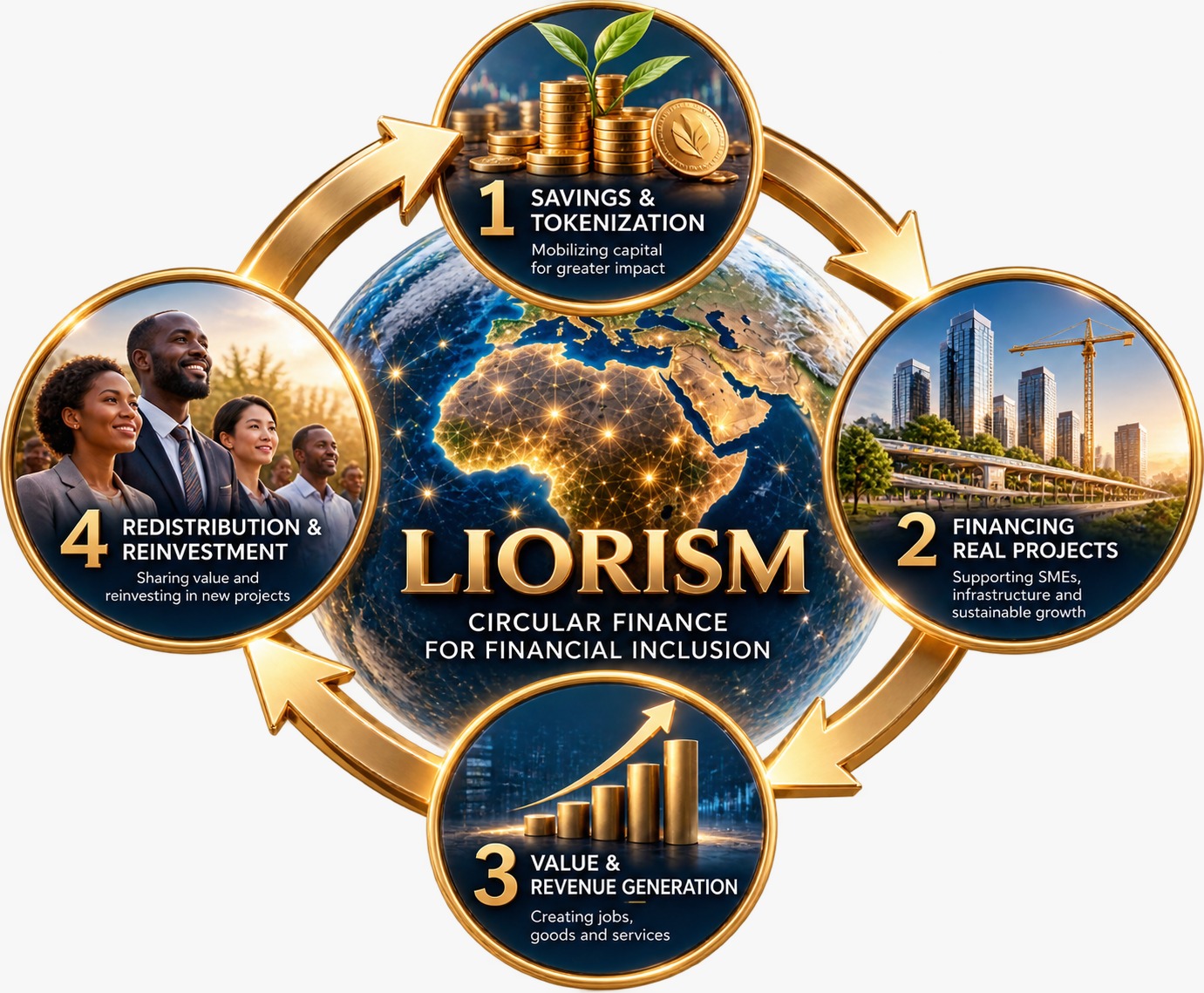
At the operational heart of Liorism lies its value creation cycle. This mechanism is designed to ensure that every unit of value generated continues to produce a positive impact within the ecosystem.
1. Savings & Tokenization → 2. Financing Real Projects → 3. Value & Revenue Generation → 4. Redistribution & Reinvestment → back to Savings & Tokenization
1. Collective Savings and Tokenization
Individuals and investors contribute liquidity or unlock value from real-world assets. Through blockchain technology, these assets can be divided into digital fractions or tokens, making investment accessible from relatively small amounts.
2. Injection into the Real Economy
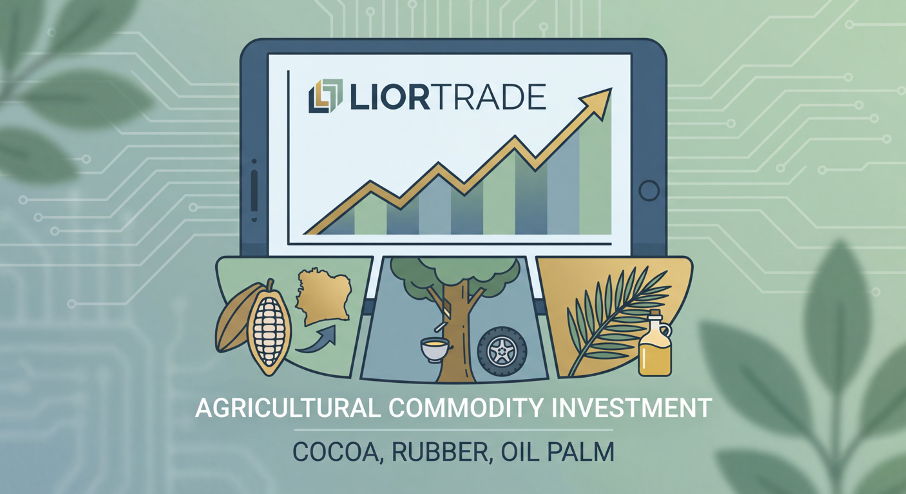
The capital raised is not directed primarily toward speculative markets. Instead, it finances SMEs, local infrastructure, agricultural projects, and forward-looking technologies.
3. Value and Profit Generation
Funded companies create jobs, produce goods and services, and generate real revenue. The value created is measurable and linked directly to economic activity.
4. Redistribution and the Circular Loop
Revenues and dividends generated are redistributed to participants through the ecosystem, including through LiorS tokens. Part of the profits may then be reinvested into new local projects, completing the loop and sustaining a virtuous cycle.
Financial Inclusion and Impact on the Real Economy
One of Liorism’s greatest strengths lies in its practical response to the challenge of financial inclusion, particularly in developing regions such as Sub-Saharan Africa and Southeast Asia, while also offering an alternative for Western investors seeking measurable economic impact.
By enabling asset fractionalization, Liorism helps reduce barriers to capital participation:
- For savers: It becomes possible to invest smaller amounts in productive projects while seeking to preserve and grow savings.
- For entrepreneurs: They can access alternative sources of financing without relying exclusively on conventional banking criteria.
- For communities: Value can remain within the territory and contribute directly to local economic development.
📊 $16 trillion in tokenized value expected by 2030 — RWA Market Growth
Frequently Asked Questions (FAQ)
How does Liorism differ from Islamic finance or ESG?
Although Liorism shares certain ethical principles with ESG approaches and with Islamic finance’s caution toward excessive speculation, it distinguishes itself through a technological mechanism based on blockchain and tokenization, combined with an explicit closed-loop redistribution model.
What is the role of the LiorS token within the ecosystem?
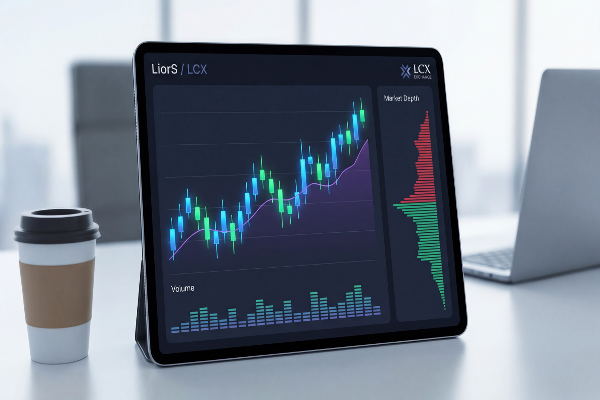
LiorS serves as a unit of account, a settlement instrument, and a vehicle of value within the ecosystem. It facilitates exchanges between participants and supports transaction traceability within the circular finance framework.
Who can apply the principles of Liorism?
Liorism is intended for individuals seeking to give greater meaning to their savings, as well as companies, financial institutions, fintech platforms, and other organizations interested in adopting a more resilient and inclusive financing model.
Key Figures
📊 1.4 billion: Number of adults worldwide who still do not have access to a traditional bank account.
Source: World Bank
💡 50%: Potential reduction in access-to-capital costs for SMEs through the tokenization of real-world assets.
Source: EIC Corporation
📈 80%: Share of individual investors reported as seeking to redirect capital toward the real economy in 2026.
Source: Global Investor Survey 2026
Liorism, conceptualized by Achille AGBE and promoted by EIC Corporation, goes beyond the framework of a simple economic theory. It presents itself as a practical action model aimed at modernizing global finance.
By replacing traditional extractive financial circuits with circular finance, this doctrine places people, productive assets, and the real economy back at the heart of the financial system.
Through the combination of blockchain technology and a strong commitment to financial inclusion, Liorism offers a pathway toward broader, more sustainable, and shared prosperity.
A financial transformation worth watching closely.
























Share
00 Comments
No Comments found!