India’s digital payments revolution has moved far beyond smartphones, banking applications and traditional card terminals. The next challenge is making digital transactions secure, affordable and accessible on every type of device—including basic feature phones, smart devices, transit systems and offline environments.
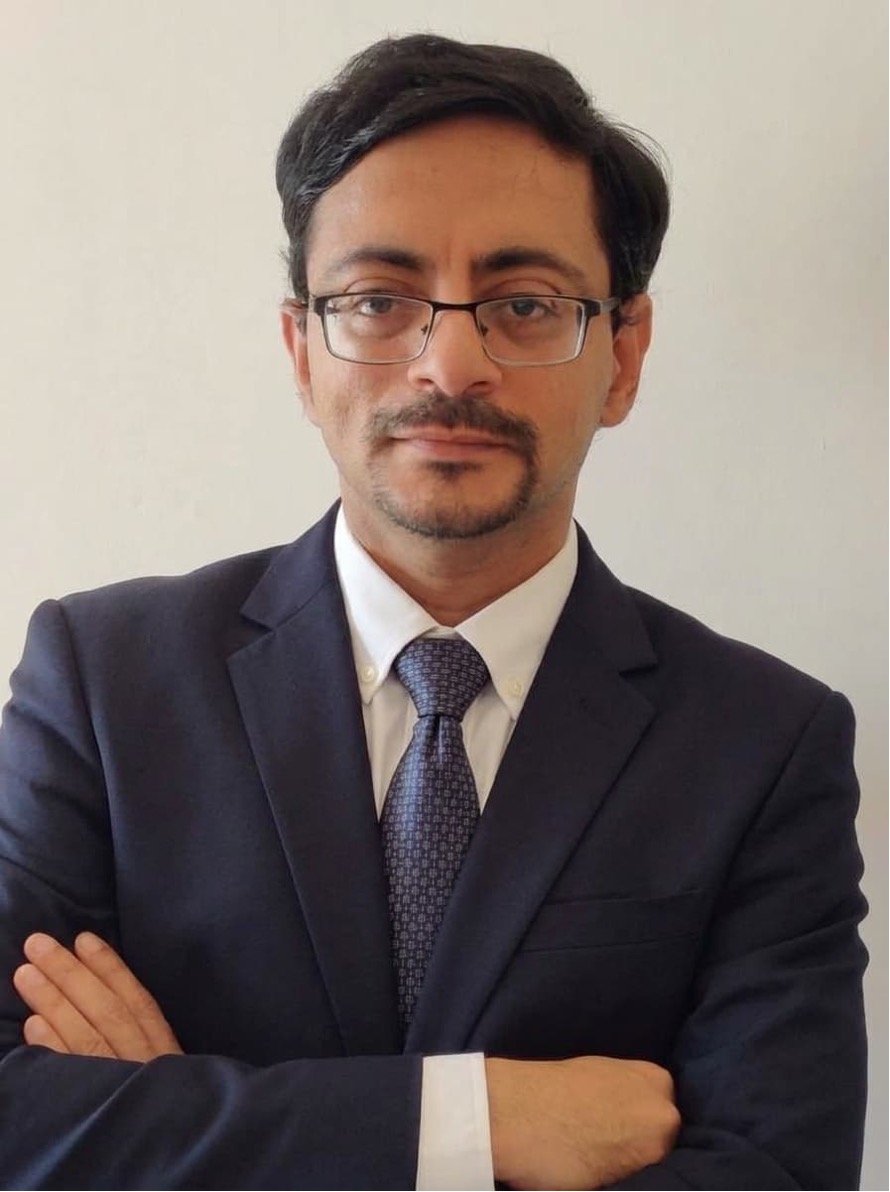
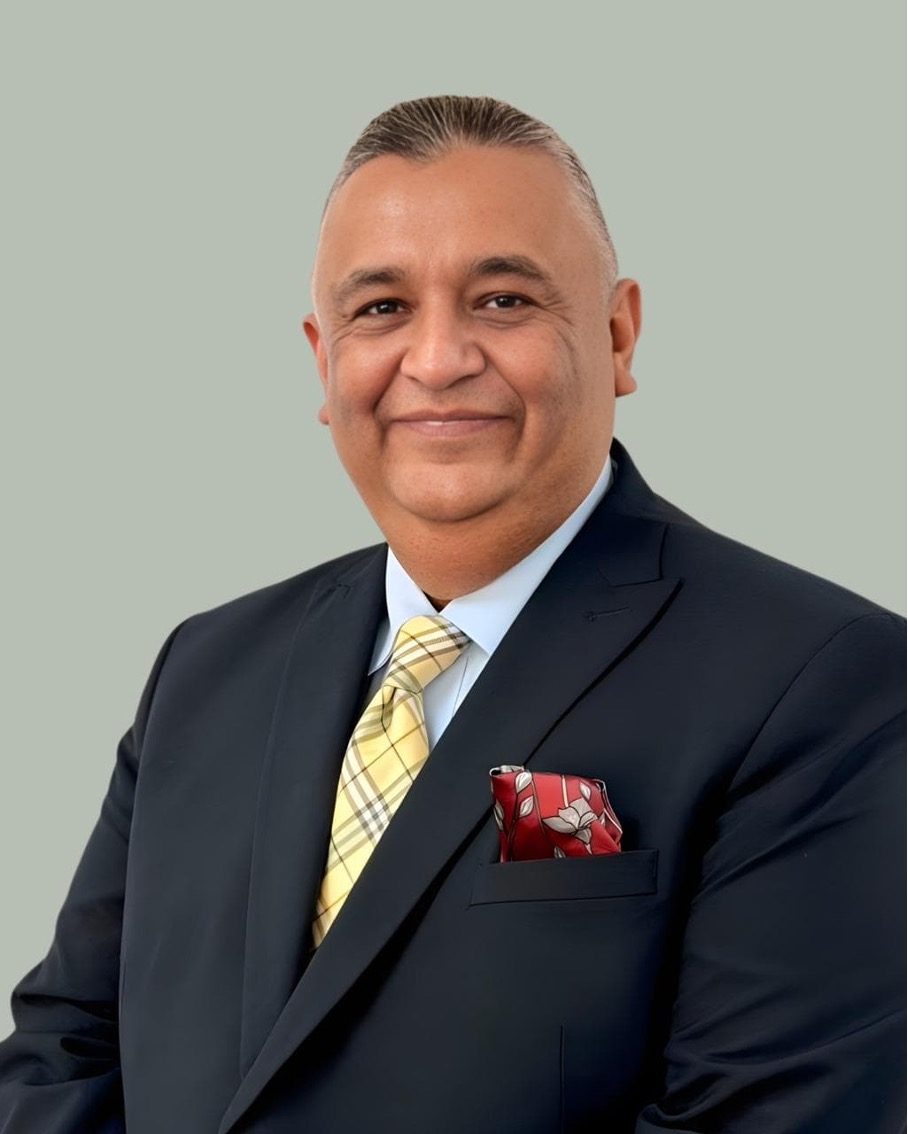
This is the technology frontier pursued by Taron Mohan, a serial technology entrepreneur and founder of MobiPay Securiservices Pvt. Ltd. His career spans precision manufacturing, CAD/CAM software, mobile value-added services, telecom platforms, transit ticketing and secure financial technology.
The common thread is clear: turn complex engineering into practical infrastructure that people can use every day.
"UPI transaction volume increased from 3,873 crore transactions in 2021 to 22,828 crore in 2025, according to the Reserve Bank of India"
— Reserve Bank of India
Table of Contents
From Precision Engineering to Digital Finance
Taron Mohan’s entrepreneurial journey began shortly after graduating from the Indian Institute of Technology Delhi. His first venture was rooted in industrial engineering rather than software or finance.
Between 1985 and 1994, he established a precision sheet metal fabrication business through Engineering Innovations Ltd. The company became one of India’s significant facilities in its category, giving him early experience in manufacturing systems, production quality and operational execution.
This background is important because secure payment infrastructure is, at its core, an engineering problem. It requires attention to:
- Reliability
- Interoperability
- Security
- Hardware constraints
- User behavior
- Network availability
- Large-scale deployment
- Regulatory requirements
Many technology entrepreneurs begin with an application or a digital interface. Mohan’s path began with the physical world—machines, materials, processes and production environments. That experience helped establish a builder mindset focused on making systems work outside the laboratory.
A Career Built Around Practical Innovation
Mohan’s career can be understood as a sequence of technology transitions. Each phase introduced him to a new layer of the modern digital economy.
| Period | Venture or Focus | Technology Contribution |
| 1985–1994 | Engineering Innovations Ltd. | Precision sheet metal fabrication and industrial engineering |
| 1994–2000 | ITIDA CAD Services Pvt. Ltd. | CAD/CAM software and CNC manufacturing integration |
| 1998–2011 | Phoneytunes.com and Mobisoft Telesolutions | Mobile value-added services, ringtones, logos and picture messaging |
| 2000–2012 | Global mobile service platforms | Telecom delivery platforms for India, Africa, the Middle East and Southeast Asia |
| 2012–present | NextGen Telesolutions | Mobile platforms, transit ticketing, contactless payments and digital finance |
| 2023–present | MobiPay Securiservices Pvt. Ltd. | Secure mobile payments, financial inclusion and device-based transaction infrastructure |
This progression demonstrates a distinctive form of cross-domain pattern recognition. Manufacturing introduced process discipline. CAD/CAM introduced software-driven automation. Mobile services introduced digital distribution. Telecom introduced global-scale infrastructure. Payments introduced the need for trust, identity and security.
The result is not simply a technology portfolio. It is an accumulated understanding of how people, devices, networks and institutions interact.
Why Secure Payments Must Work on Every Device
Digital finance is often designed around the assumption that users have modern smartphones, reliable connectivity and access to sophisticated applications. That assumption excludes large groups of consumers.
The practical payment environment is more diverse:
- Feature phones remain essential in many markets.
- Connectivity can be intermittent or expensive.
- Users may share devices or use entry-level handsets.
- Merchants may rely on low-cost terminals.
- Transit systems need fast, high-volume transactions.
- Consumers expect both online and offline functionality.
- Banks and governments require strong identity and fraud controls.
The Reserve Bank of India introduced UPI123Pay to allow feature-phone users to access UPI services. Its original announcement noted that India had more than 400 million feature-phone subscribers, highlighting the scale of the inclusion opportunity. citeturn0search1
For Mohan, the central question is not whether digital payments are possible. It is whether secure transactions can be delivered on any mobile device, across different network conditions and at a cost that works for mass-market users.
That perspective changes the design priorities. The goal is not to build a premium wallet for a narrow segment. It is to develop a secure bridge between existing banking and payment networks and the devices people already own.
MobiPay and the Next Generation of Digital Transactions
MobiPay Securiservices focuses on secure digital payment infrastructure for feature phones, smart phones, cards, terminals and other connected devices.
The company’s approach includes technologies and use cases such as:
- SIM-overlay security architecture
- Secure mobile banking
- Digital wallets
- Online and offline payments
- Digital identity and signatures
- Digital currencies
- UPI and UPI AutoPay
- Device-based card tokenisation
- NFC and TapNPay payments
- Contactless transit ticketing
- Retail and ATM payment acceptance
The underlying proposition is straightforward: security should be integrated into the device and transaction experience rather than added as an afterthought.
For consumers, this can mean simpler payments with fewer barriers. For banks and payment providers, it can mean broader reach without requiring every user to upgrade to a premium smartphone. For merchants, it can mean lower-cost acceptance infrastructure.
The model also supports a broader range of payment environments:
| Payment Environment | Traditional Limitation | Secure Infrastructure Opportunity |
| Feature phones | Limited app capability | Full or expanded financial services through device-compatible interfaces |
| Smart phones | Fraud, tokenisation and wallet fragmentation | In-device security and contactless payments |
| Transit systems | Separate ticketing and payment ecosystems | Integrated QR, card and open-loop fare media |
| Retail stores | Costly or specialised terminals | Contactless acceptance on standard commercial devices |
| Low-connectivity regions | Dependence on network availability | Offline transaction capabilities |
| Digital identity | Fragmented authentication | Integrated identity, signatures and payment credentials |
In 2025, the RBI reported that UPI QR codes in India had reached 65.8 crore by March 31, while point-of-sale terminals exceeded 1.1 crore. These figures show how rapidly acceptance infrastructure is expanding—and why secure, interoperable systems are becoming increasingly important. citeturn0search3
Offline Payments, Digital Identity and Financial Inclusion
A major theme in Mohan’s work is the relationship between offline functionality and financial inclusion.
Offline payments are not simply a convenience feature. They can become essential when:
- Mobile coverage is weak
- Data service is unavailable
- Network congestion affects transaction speed
- A customer needs to complete a low-value purchase quickly
- A transit gate cannot wait for a remote authorisation
- A merchant operates in a rural or underserved area
India has developed several initiatives in this direction, including UPI Lite and UPI Lite X. The RBI has also created a framework for small-value digital payments in offline mode. citeturn0search3
However, offline payments must be carefully designed. A robust system needs to address:
- Credential protection
Payment credentials must remain secure even if a device is lost or compromised. - Transaction limits
Offline transactions generally require carefully controlled limits and risk parameters. - Replay prevention
The system must prevent the same transaction from being reused or duplicated. - Eventual synchronisation
Offline transactions must be reconciled accurately when connectivity returns. - Identity assurance
The platform must connect the payment to an authenticated user, device or account.
This is where digital identity and digital signatures become important. Payments, identity and authorisation are increasingly converging into one secure transaction layer.
📊 22,828 crore transactions - India’s UPI transaction volume in 2025
The Role of Telecom, Banks and Public Infrastructure
Mohan’s earlier work in mobile value-added services gave him direct exposure to the telecom ecosystem. His platforms supported customers and technology ecosystems connected with major international companies, including Nokia, Ericsson, Qualcomm and Alcatel.
That experience is relevant to payments because financial transactions depend on cooperation among multiple stakeholders:
- Banks
- Telecom operators
- Payment networks
- Device manufacturers
- Government agencies
- Merchants
- Transit authorities
- Consumers
A payment platform cannot succeed through software alone. It must fit into existing operational, regulatory and commercial systems.
Mohan’s work with partners such as Jio and Bank of Baroda on UPI123Pay for non-smartphones reflects this ecosystem approach. The objective is to extend digital payment functionality to users who may not have access to a conventional smartphone banking experience.
At the infrastructure level, India’s payment ecosystem is also becoming more sophisticated. In 2025, NPCI and the wider payments ecosystem continued introducing new capabilities involving connected devices, payment assistance, interoperable banking and controlled credit functionality. citeturn0search2
The next phase of innovation will likely depend less on isolated applications and more on secure platforms that connect devices, identities, accounts and payment networks.
From Transit Ticketing to Everyday Commerce
Another important dimension of Mohan’s work is transit and entertainment ticketing.
High-volume environments such as transit systems and large attractions require payment technology that is:
- Fast
- Reliable
- Easy to operate
- Cost-efficient
- Secure
- Compatible with multiple fare media
Mohan’s profile describes work on ticketing solutions for major attractions, including the Statue of Unity, as well as the development of an Automatic Fare Collection System integrating QR codes, closed-loop cards and open-loop payment cards.
This is a significant design challenge. Transit ecosystems have traditionally relied on dedicated cards or closed payment systems. Modern users, however, expect to pay with bank cards, mobile wallets, QR codes or other familiar instruments.
A multi-fare-media platform can help create a smoother experience:
- Travelers can use existing payment cards.
- Operators can support closed-loop and open-loop models.
- Merchants can connect transit spending with broader commerce.
- Cities can modernise fare collection without replacing every component at once.
The same infrastructure principles can extend to retail, stadiums, campuses, parking facilities and entertainment venues.
What Entrepreneurs Can Learn from Taron Mohan
Taron Mohan’s career offers several lessons for technology entrepreneurs and product leaders.
1. Build across technology cycles
The technologies changed—from sheet metal fabrication to CAD/CAM, mobile services and payment security—but the underlying capability remained the same: understanding complex systems and making them useful.
2. Look for problems that persist across industries
Security, interoperability, accessibility and ease of use are not limited to one sector. They appear in manufacturing, telecom, banking and transportation.
3. Design for real users, not ideal users
A product designed only for high-end smartphones may miss a substantial market. Supporting feature phones, offline environments and low-cost devices can create a more inclusive platform.
4. Treat infrastructure as a product
Infrastructure is often invisible when it works well. Yet secure transaction platforms require product thinking, clear user journeys, reliable operations and continuous improvement.
5. Combine ambition with deployment discipline
Global technology vision matters, but so does implementation in a specific market. Projects involving banks, telecom operators, transit authorities and merchants require patience, partnerships and operational detail.
FAQ
Who is Taron Mohan?
Taron Mohan is an Indian serial entrepreneur, technologist and founder of MobiPay Securiservices Pvt. Ltd. His professional background spans precision manufacturing, CAD/CAM software, mobile value-added services, telecom platforms, transit ticketing and secure digital payments.
What does MobiPay Securiservices do?
MobiPay Securiservices develops secure digital payment and transaction infrastructure for mobile devices, feature phones, smart phones, cards and terminals. Its focus areas include financial inclusion, offline payments, device-based security, digital identity, tokenisation and contactless transactions.
Why are feature-phone payments important?
Feature-phone payments are important because many consumers do not use high-end smartphones or may live in areas where data connectivity is limited. Supporting these devices can expand access to banking, UPI, money transfers and other digital financial services.
What are offline digital payments?
Offline digital payments are transactions that can be initiated or completed without a continuous internet connection. They typically use secure credentials, transaction limits and later synchronisation with the payment network.
How does Taron Mohan’s manufacturing background influence his fintech work?
His manufacturing and CAD/CAM experience likely contributes to a systems-oriented approach focused on reliability, process control, hardware constraints and practical deployment. These qualities are highly relevant to secure payment infrastructure.
Chiffres Clés
📊 22,828 crore: UPI transactions recorded in India during calendar year 2025, according to the RBI. citeturn0search2
💳 65.8 crore: UPI QR codes reported in India as of March 31, 2025. citeturn0search3
📱 More than 40 crore: Feature-phone subscribers identified by the RBI when announcing UPI123Pay in 2022. citeturn0search1
🔐 Five priorities: India’s Payments Vision 2025 was organised around integrity, inclusion, innovation, institutionalisation and internationalisation. citeturn0search3
Taron Mohan’s entrepreneurial journey reflects the evolution of technology in India—from precision engineering and computer-aided manufacturing to mobile services, telecom platforms and secure digital payments.
What distinguishes his work is the continuity of the underlying mission: make advanced technology practical, scalable and accessible.
As digital payments continue to expand, the next breakthroughs will not come only from faster applications. They will come from secure infrastructure that works across devices, networks and economic environments.
For Bharat and the wider world, the opportunity is to build a payment ecosystem where security does not depend on owning the newest device—and where digital identity, offline capability, contactless interaction and financial access come together in one trusted experience.



























































































Share
00 Comments
No Comments found!