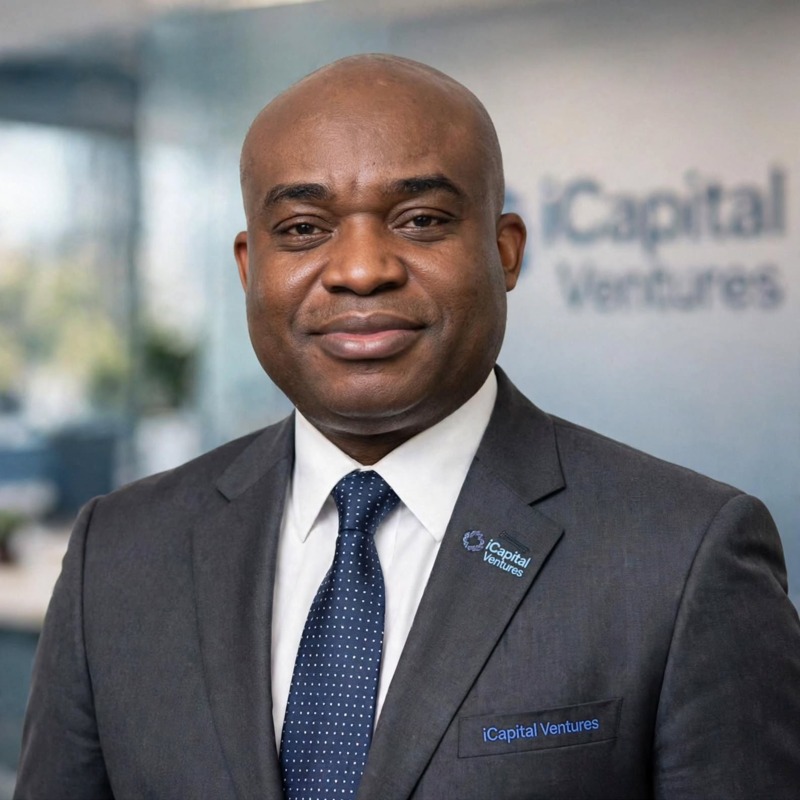
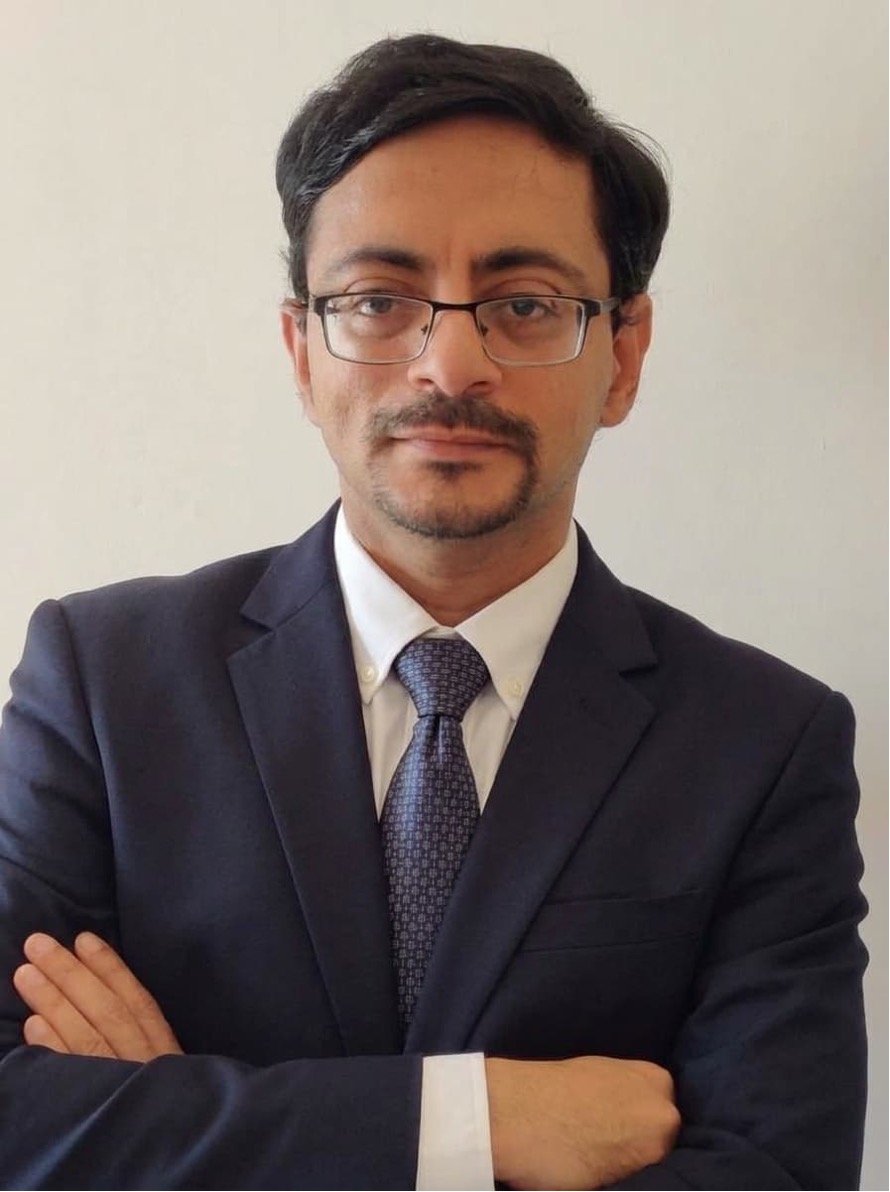
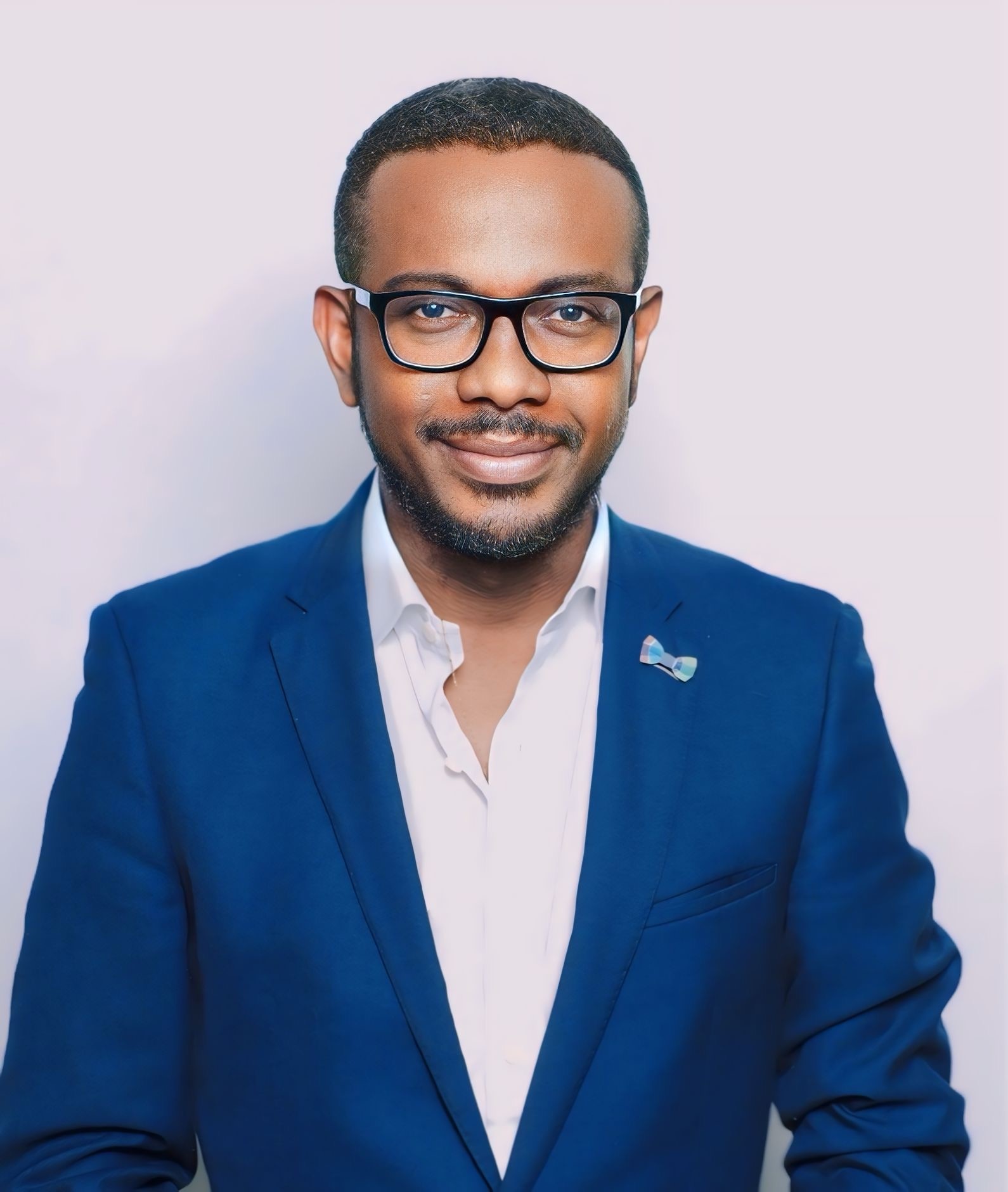
Anoh Koye’s professional journey reflects the growing connections between financial services, digital innovation, governance and inclusive economic development. Based in Québec, Canada, and active across Africa and the Americas, Koye has built more than 15 years of experience in administration, investment, financial management and institutional development.
In 2026, his career entered a new phase with his appointment as Senior Regional Vice-President for Canada and the Caribbean at EIC International, alongside his continued leadership as President of iCapital Ventures Canada. His work focuses on strengthening regional structures, supporting investment initiatives and promoting a more inclusive approach to finance.
At the same time, Koye is pursuing doctoral research on one of the most important economic questions of the digital era:
Could the emergence of digital currencies strengthen the monetary sovereignty of developing countries in the 21st century?
Table of Contents
A Career Built Across Finance and Management
Anoh Koye’s experience spans banking, accounting, management control, treasury, credit management, investment advisory and organizational leadership.
His earlier professional background includes roles connected to client advisory, financial management and corporate performance. He has worked with institutions and companies in Côte d’Ivoire and West Africa, including banking and industrial organizations. This experience gave him practical exposure to the financial realities faced by businesses, entrepreneurs and institutions operating in emerging markets.
His academic background includes finance, accounting, audit and management control. He also studied administration at Université Laval in Québec, where he developed additional expertise in marketing and management.
This combination of professional and academic experience is important because financial inclusion is not only a technology challenge. It also depends on:
- Sound governance and accountability
- Access to reliable financial information
- Appropriate risk assessment
- Financial education
- Strong institutions
- Practical solutions for small and medium-sized enterprises
- Trust between investors, businesses and communities
Koye’s professional profile brings these dimensions together. His work sits at the intersection of financial advisory, investment structures, entrepreneurship and institutional development.
A New Leadership Role at EIC International
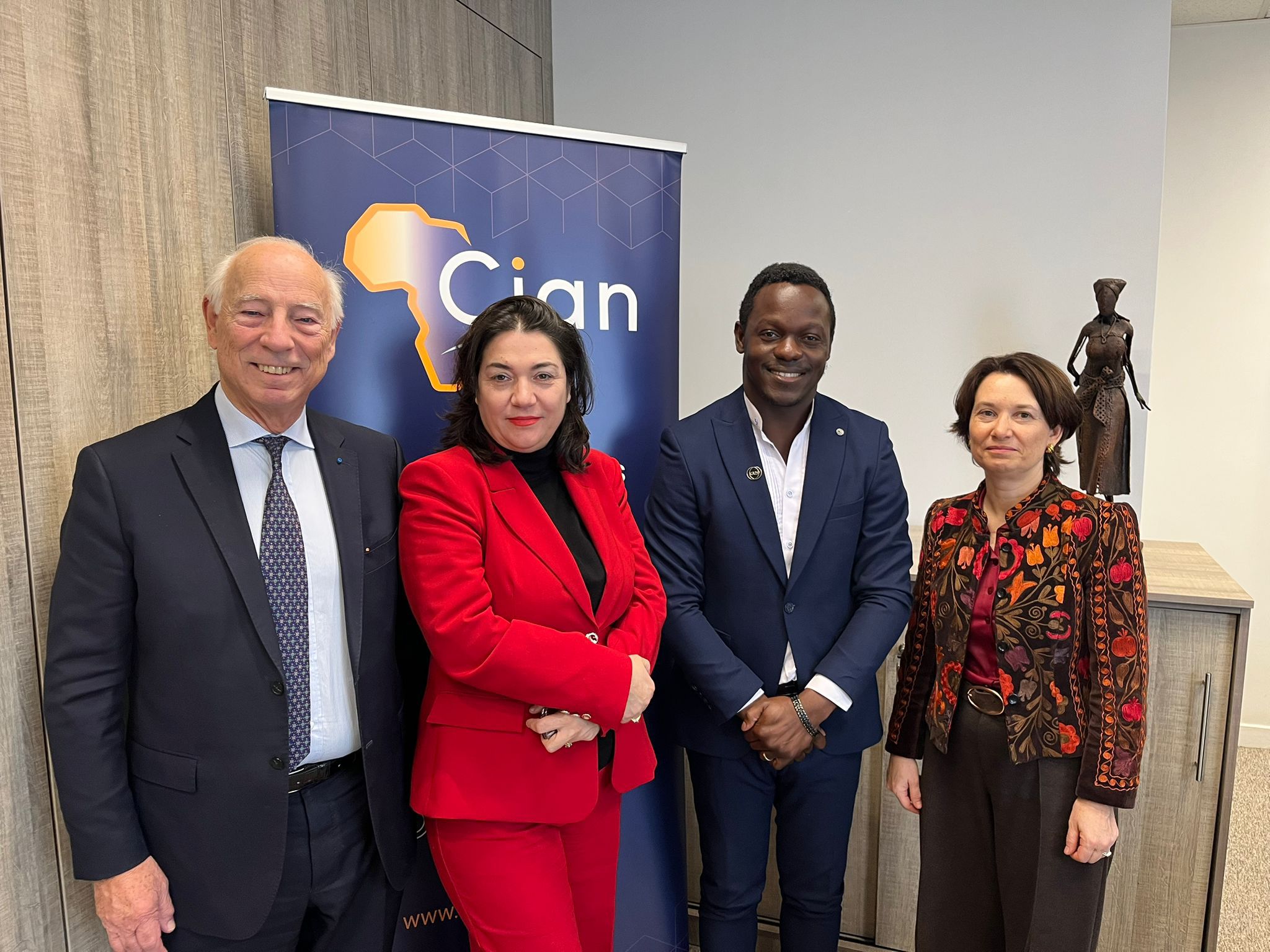
In 2026, Anoh Koye was promoted to the position of Senior Regional Vice-President for Canada and the Caribbean at EIC International.
His responsibilities include coaching regional presidents, verifying the functioning of committees and national structures, and aligning local practices with the governance principles of EIC International. The role requires both strategic oversight and close collaboration with regional teams.
Koye also serves as:
- President of G25 Canada
- President of iCapital Ventures Canada
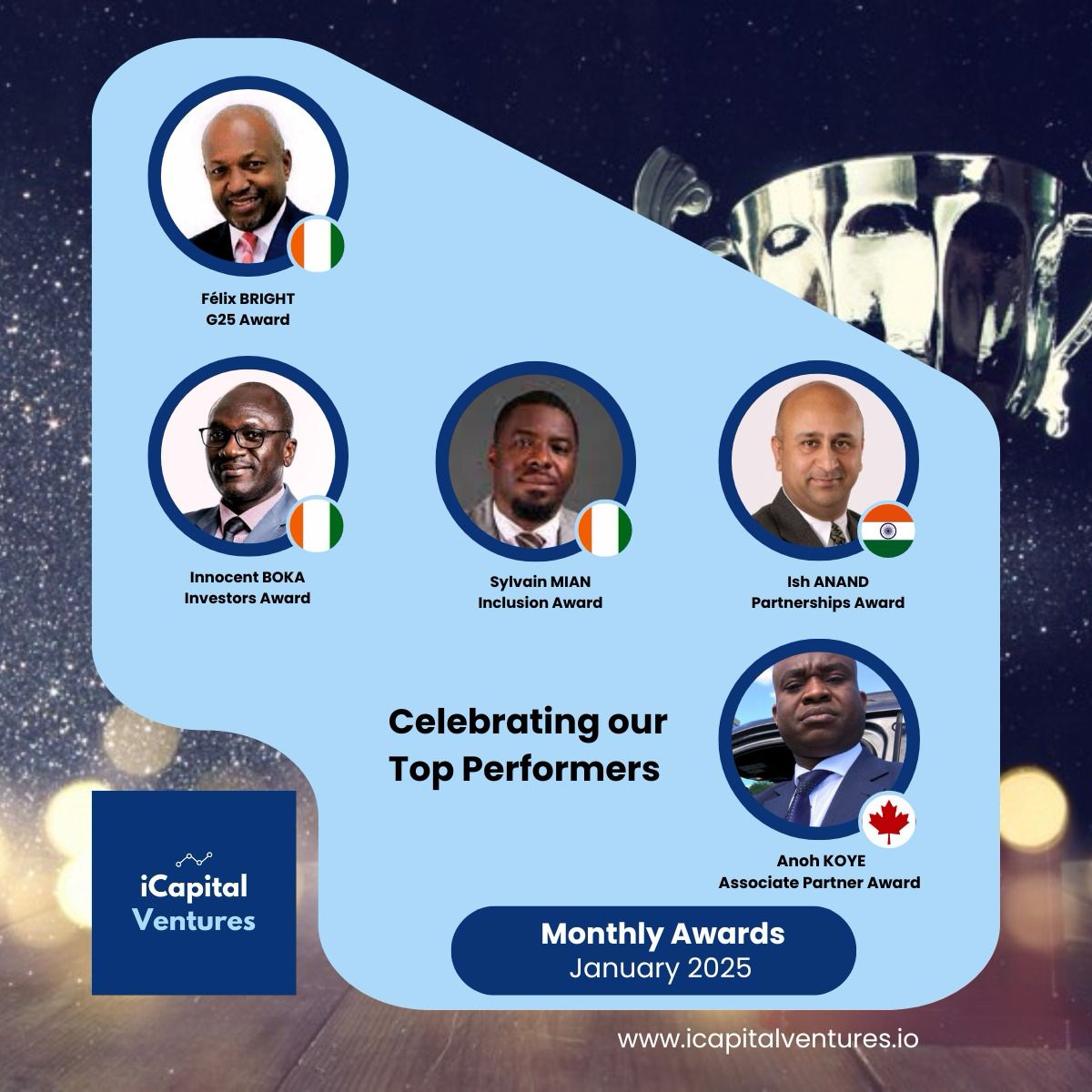
- Regional Manager and Certified Associate Partner at iCapital Ventures
- Executive Secretary of EIC Corporation
- President of the NGO SOS JOSSY
- Author and investor
The new position expands his responsibilities across a region that includes Canada and the Caribbean. It also reinforces his role as a link between local initiatives and international governance.
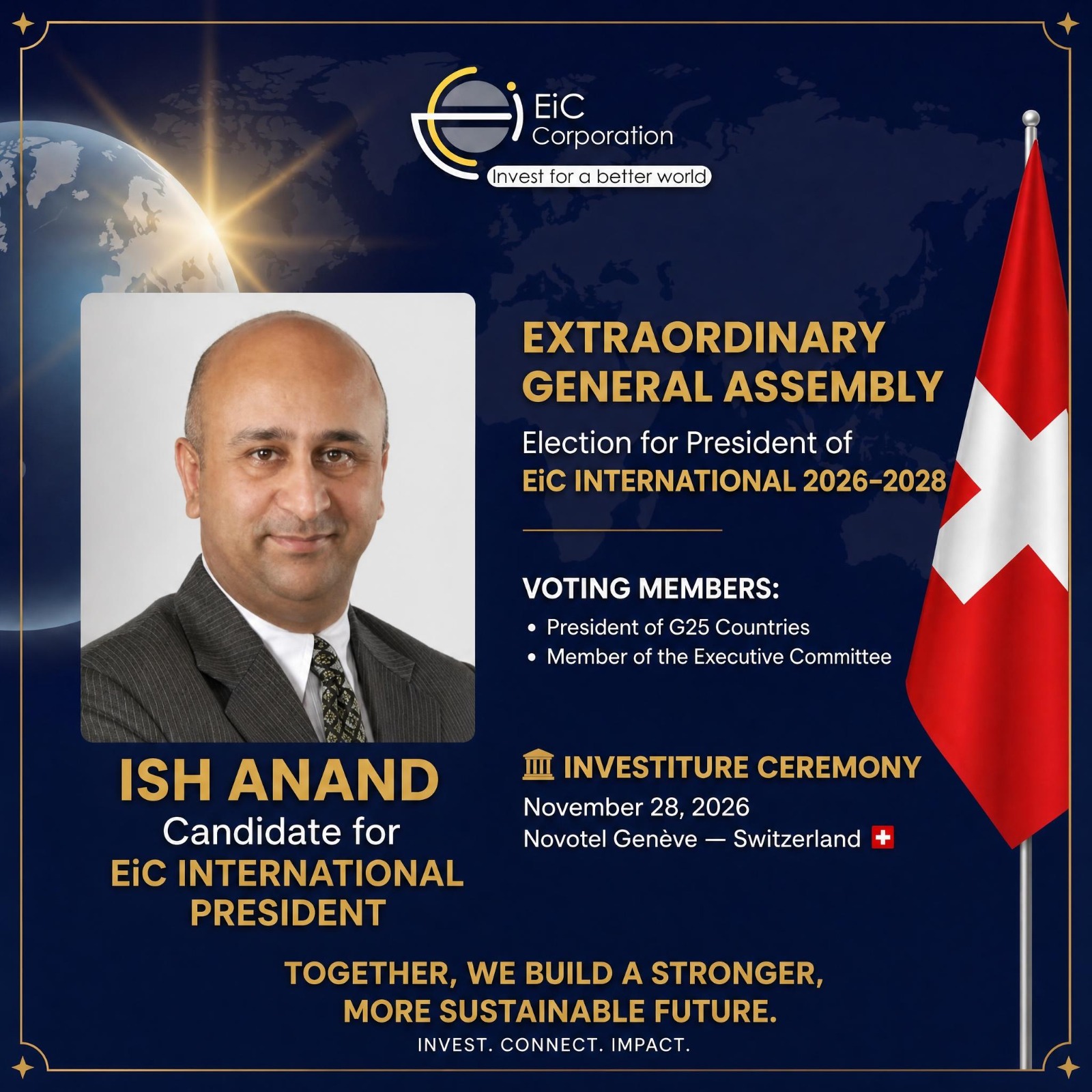
"EIC Corporation announced the election of its first international president for the 2026–2028 mandate and described the organization as a governance institution coordinating its international community"
— EiC Corporation public announcement
Connecting Finance, Technology and Inclusion
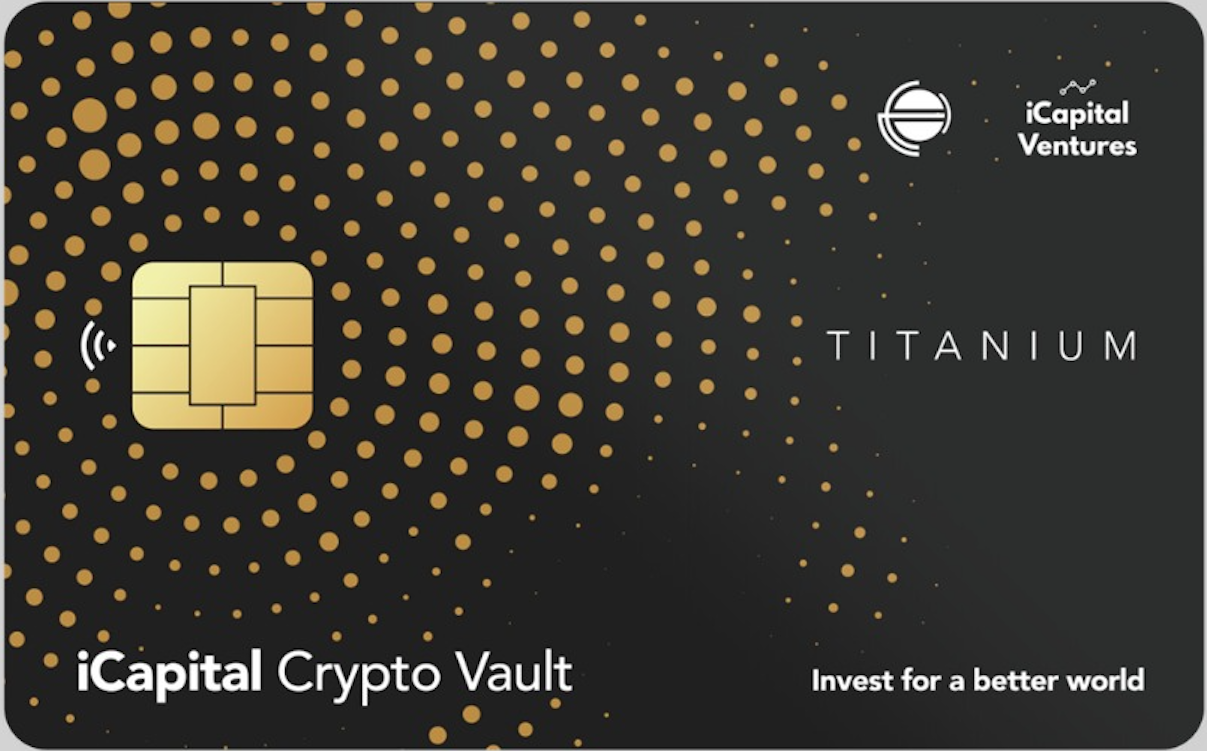
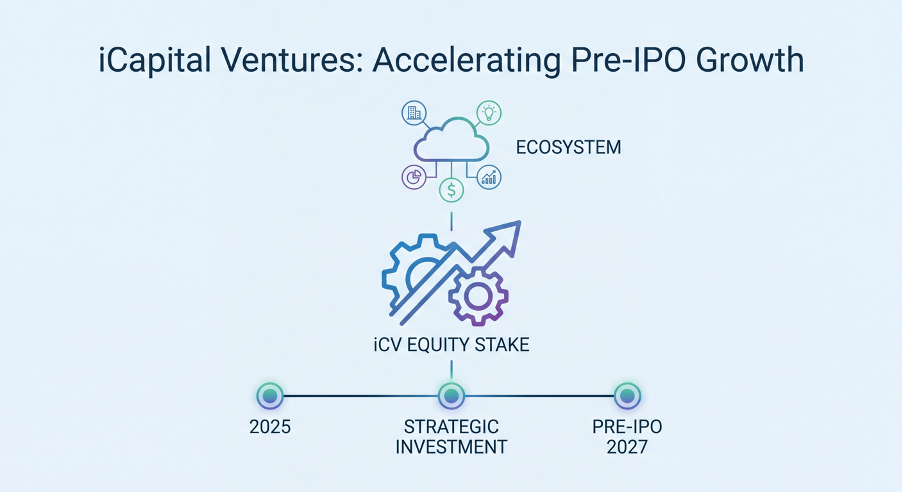
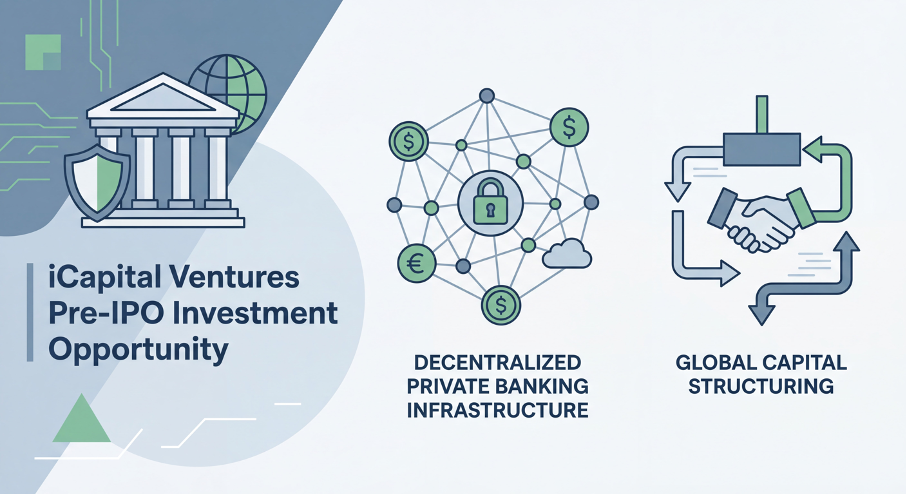
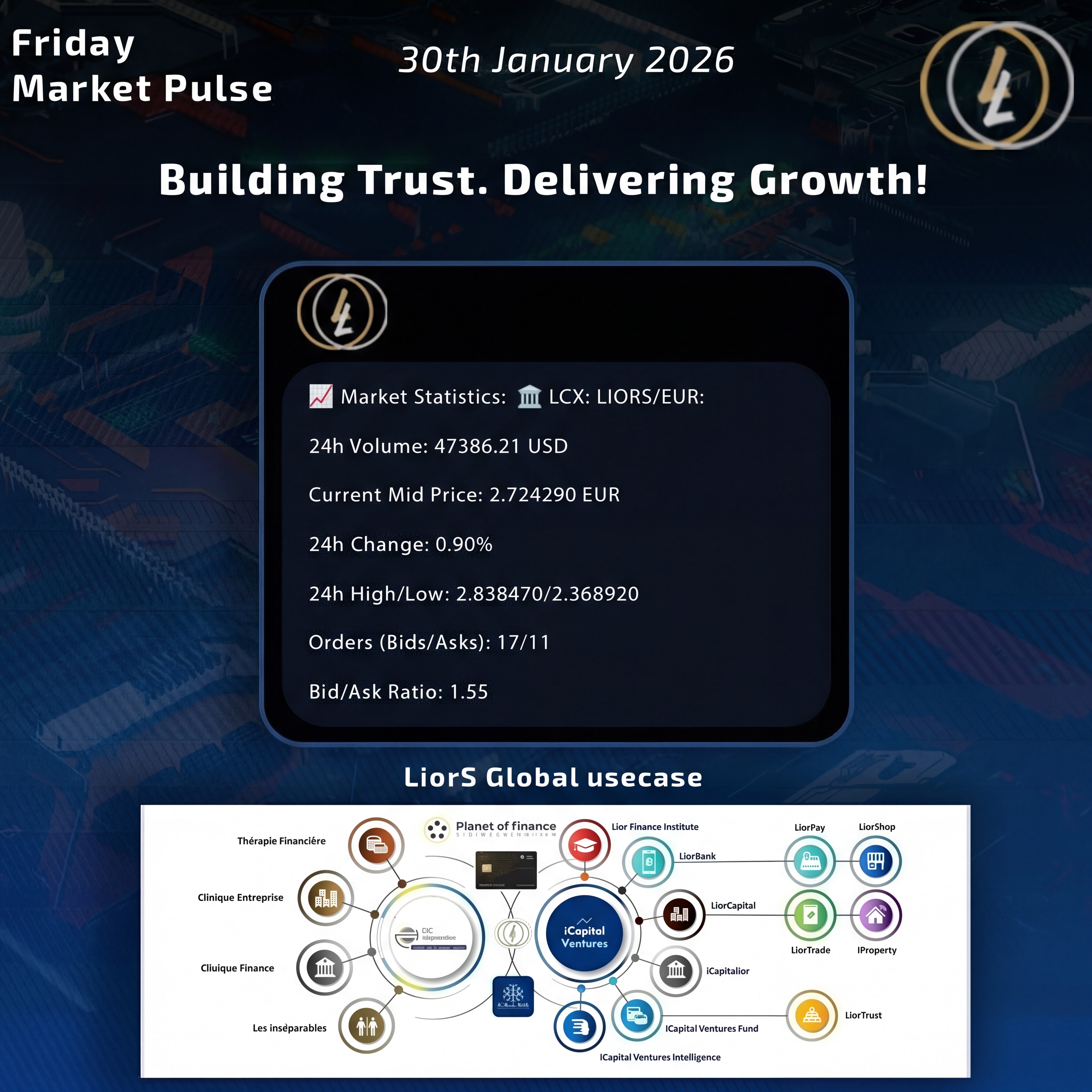
iCapital Ventures presents itself as a fintech ecosystem focused on helping companies structure their activities, improve working capital and access innovative financing tools.
Its stated areas of activity include:
- Corporate finance and fundraising
- OPEX and CAPEX financing
- Real-world asset tokenization
- Corporate token offerings
- Tokenomics and white papers
- Primary-market fundraising
- Digital-asset listings
- SME valuation and financial rating
- Blockchain-based financial tools
For small and medium-sized enterprises, these services address several persistent challenges. Many businesses have viable products and experienced teams but struggle to obtain financing because they lack sufficient collateral, a long credit history or access to international investors.
Digital financial infrastructure may help improve how companies present, assess and finance their assets. However, technology alone cannot solve every structural problem. Responsible implementation also requires legal clarity, investor protection, cybersecurity and transparent governance.
Traditional Finance and Digital Finance Compared
| Dimension | Traditional model | Digital and tokenized model |
| Access to capital | Often dependent on banks and collateral | May offer additional financing channels |
| Asset representation | Paper-based or centralized records | Digital records supported by distributed technologies |
| Investor reach | Frequently limited by geography | Potentially broader, subject to regulation |
| Settlement | Can involve intermediaries and delays | May become faster through digital infrastructure |
| Main risks | Credit concentration and opacity | Cybersecurity, fraud, volatility and regulatory uncertainty |
| Key requirement | Banking relationships and documentation | Technology, compliance, governance and trust |
The opportunity is therefore not to replace every traditional institution, but to create better connections between businesses, investors, regulators and communities.
📊 93% of 86 central banks surveyed were engaged in CBDC-related work - Central banks exploring digital currencies
Digital Currencies and Monetary Sovereignty
Koye’s doctoral research examines whether digital currencies can strengthen the monetary sovereignty of developing countries.
Monetary sovereignty generally refers to a country’s ability to manage its currency, payment systems, monetary policy and financial stability. For developing economies, this sovereignty can be constrained by several factors:
- Dependence on foreign currencies
- Exchange-rate volatility
- Inflationary pressures
- Limited access to international capital
- Weak domestic payment infrastructure
- High costs for remittances and cross-border transactions
- Low levels of financial inclusion
- Dependence on external technology providers
Digital currencies introduce both opportunities and risks.
Potential Benefits
A well-designed central bank digital currency could:
- Expand access to digital payments
- Reduce transaction costs
- Improve the delivery of government transfers
- Support formalization of economic activity
- Increase the efficiency of domestic payments
- Strengthen the visibility of monetary flows
- Improve cross-border payment interoperability
- Create new tools for financial inclusion
The IMF has emphasized that a retail CBDC designed as a liability of the central bank can reinforce the singleness of money and support monetary sovereignty when it has a clear legal foundation.
"A robust legal foundation and central-bank issuance can support currency status, convertibility and monetary sovereignty in a retail CBDC system"
— International Monetary Fund, Central Bank Digital Currency: Further Navigating Challenges and Risks
Potential Risks
Digital currencies may also increase vulnerability if they are introduced without adequate safeguards.
Foreign-issued digital currencies, stablecoins or privately controlled payment systems could accelerate currency substitution. In countries with weak domestic currencies, citizens may increasingly use a foreign digital asset for savings, payments or business transactions.
This may weaken the capacity of national authorities to influence:
- Money supply
- Interest rates
- Capital flows
- Exchange-rate policy
- Financial stability
- Domestic payment infrastructure
The question is therefore not simply whether digital currencies should be adopted. The more important question is who controls the infrastructure, under what rules and for whose benefit.
📊 146, representing more than 98% of global GDP - Countries and currency unions exploring CBDCs
Why the Research Matters for Developing Countries
The research agenda proposed by Anoh Koye is organized around three stages:
| Period | Main focus |
| 2025 | Theoretical framework and literature review |
| 2026 | Data collection, empirical research and field missions |
| 2027 | Thesis writing and defence |
This structure allows the research to combine theory with practical observation. Field missions and empirical work can help identify how digital currencies affect real communities, businesses and institutions.
A central issue will be the relationship between financial inclusion and monetary autonomy.
A country may achieve higher digital payment adoption without achieving greater sovereignty. For example, citizens may gain easier access to payments while the underlying technology, settlement system or currency remains controlled by external actors.
Conversely, a domestic digital currency may strengthen national control but fail to improve inclusion if:
- Internet access is limited
- Digital identity systems exclude vulnerable populations
- Transaction fees remain high
- Users do not trust the institution issuing the currency
- Privacy protections are weak
- Digital literacy is insufficient
- Offline payment options are unavailable
A successful approach must therefore combine technology with education, infrastructure and public trust.
The United Nations Development Programme has recommended that countries first identify their financial inclusion barriers before designing a CBDC. Those barriers may concern rural populations, women, micro-entrepreneurs or other underserved communities.
"CBDC development should begin with an assessment of financial inclusion barriers and the needs of underserved communities"
— United Nations Development Programme, Driving Financial Inclusion Through Central Bank Digital Currencies
The Liorism Vision and the Future of Finance
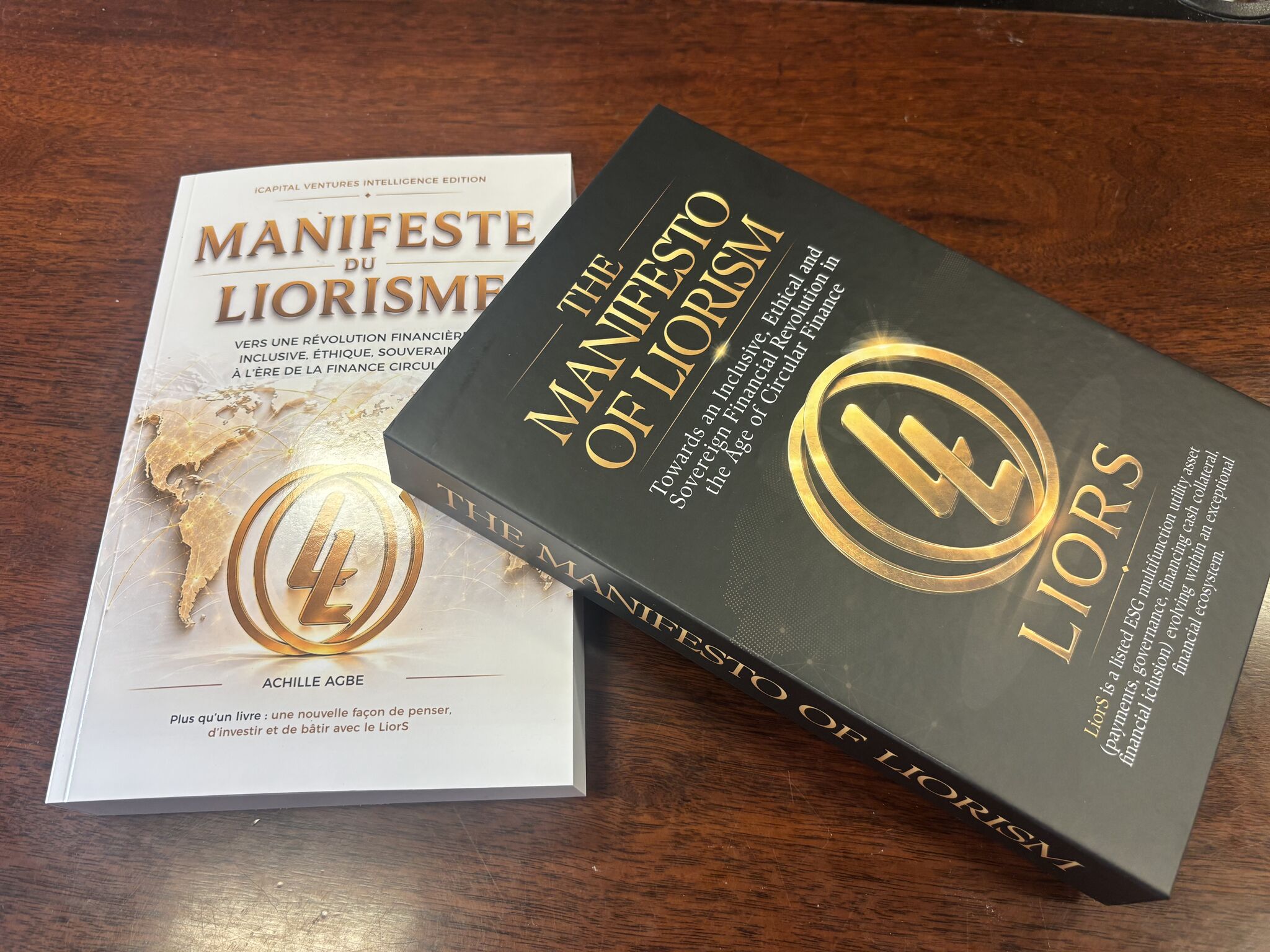
Anoh Koye has also been associated with the international development of the Liorism Manifesto, a body of ideas focused on value creation, governance, investment, education and sustainable prosperity.
The central philosophy presented in the related communications is that finance should do more than accumulate value. It should also help create, circulate, protect, invest and transmit value.
This perspective connects with several emerging themes in modern finance:
- Inclusive investment
- Human capital development
- Digital assets
- Sustainable finance
- Financial education
- Governance innovation
- Tokenization
- Cross-border collaboration
The international roadshow associated with the manifesto has included events and book-signing milestones in Shanghai, France and Abidjan, with additional destinations announced for New Delhi, New York, Geneva and Québec.
These events illustrate the growing interest in financial models that connect different regions rather than treating markets as isolated systems.
A Leadership Approach Based on Coaching and Alignment
Koye’s new role at EIC International is built around three central functions: coaching, verification and alignment.
Coaching
Regional leadership requires more than setting objectives. It involves helping national teams understand their responsibilities, improve their coordination and develop long-term capabilities.
Verification
International structures need reliable information about how committees and national organizations operate. Verification supports accountability and helps identify gaps between formal governance principles and practical implementation.
Alignment
Regional structures may have different economic, legal and cultural environments. Alignment does not necessarily mean imposing identical methods everywhere. It means ensuring that local initiatives remain consistent with shared principles while retaining room for local adaptation.
This approach is especially relevant in Canada and the Caribbean, where economies differ significantly in size, regulation, financial infrastructure and access to international capital.
A regional leader must therefore be able to work across languages, institutions and economic realities. Koye’s experience between Africa and North America provides a foundation for this role.
What His Work Represents for the Future of Finance
Anoh Koye’s professional path reflects several broader developments in global finance:
- The growing importance of financial technology in connecting businesses and investors
- The need for stronger governance as financial networks become more international
- The continued search for inclusive financing models for SMEs and underserved communities
- The strategic importance of digital currencies for monetary policy and payment systems
- The emergence of finance as an educational and institutional project, not only an investment activity
His doctoral research adds an academic dimension to these issues. Rather than viewing digital currencies only as technological products, it examines their implications for sovereignty, development and inclusion.
That perspective is increasingly important as governments, central banks, fintech companies and citizens debate who should shape the future of money.
FAQ
Who is Anoh Koye?
Anoh Koye is a finance and governance professional based in Québec, Canada. He serves as President of iCapital Ventures Canada, Senior Regional Vice-President for Canada and the Caribbean at EIC International, President of G25 Canada and Executive Secretary of EIC Corporation.
What is Anoh Koye researching in his doctoral thesis?
His doctoral research examines whether digital currencies can strengthen the monetary sovereignty of developing countries in the 21st century. The research considers central bank digital currencies, cryptocurrencies and hybrid digital-money models.
Why are digital currencies important for developing countries?
Digital currencies may improve payment access, reduce transaction costs and support financial inclusion. However, they can also create new dependencies if foreign currencies, private platforms or external infrastructures become dominant.
What is monetary sovereignty?
Monetary sovereignty is a country’s ability to manage its currency, monetary policy, payment systems and financial stability. It can be weakened by excessive dependence on foreign currencies or external financial infrastructure.
What is the role of EIC International?
EIC International functions as an international governance structure within its network. In his regional role, Anoh Koye is responsible for coaching regional leaders, verifying national structures and aligning practices with shared governance principles.
Key Figures
📊 More than 15 years of experience in administration and investment across Africa and the Americas, according to Anoh Koye’s professional profile.
🌍 146 countries and currency unions were exploring central bank digital currencies as of May 2026, according to the Atlantic Council’s CBDC Tracker.
💳 93% of 86 central banks surveyed were engaged in CBDC-related work, according to UNDP’s summary of BIS data.
🎓 2027 is the planned year for the writing and defence phase of Koye’s doctoral thesis.
Anoh Koye’s appointment as Senior Regional Vice-President for Canada and the Caribbean marks a new stage in a career shaped by finance, governance, investment and international cooperation.
His responsibilities at EIC International and iCapital Ventures place him at the centre of conversations about regional development, SME financing and financial innovation. His doctoral research adds another dimension by examining whether digital currencies can help developing countries strengthen monetary sovereignty while expanding financial inclusion.
The answer will depend on more than technology. It will depend on governance, trust, legal design, education, infrastructure and the ability to place people and productive economies at the centre of financial transformation.
For developing countries, the future of digital finance will not be defined only by the arrival of new currencies. It will be defined by the institutions, values and public-interest objectives that guide their use.




























































































Share
00 Comments
No Comments found!