Africa’s next economic transformation will not be driven by technology alone. It will depend on whether digital tools can connect people to opportunity, capital, markets, education and ownership.
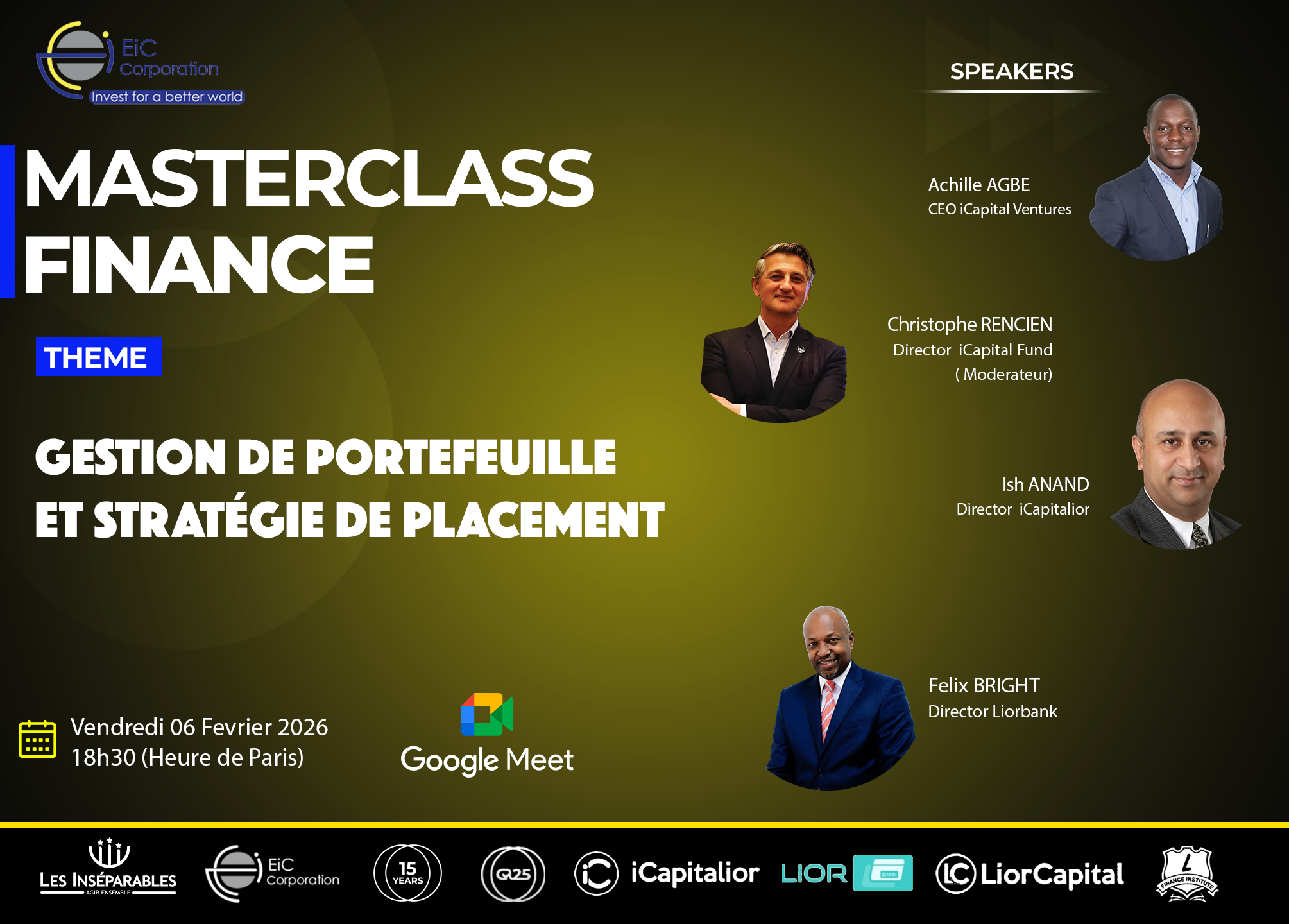
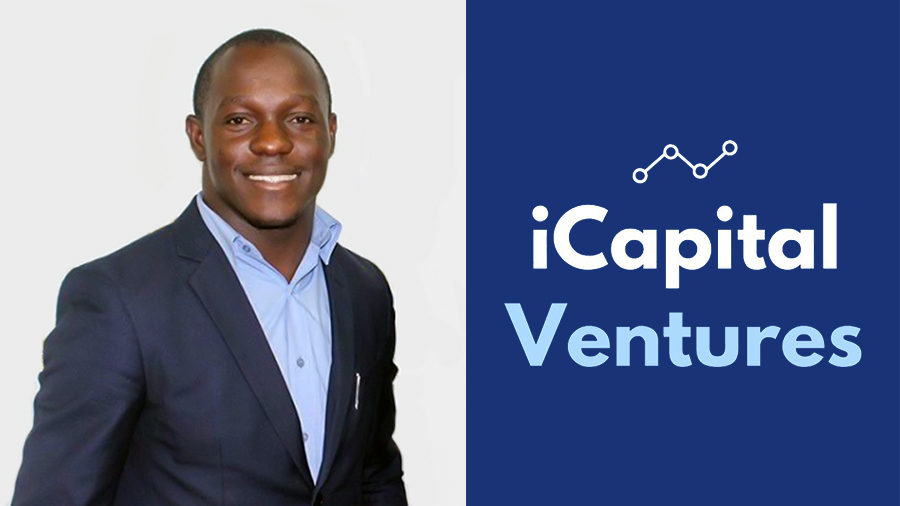
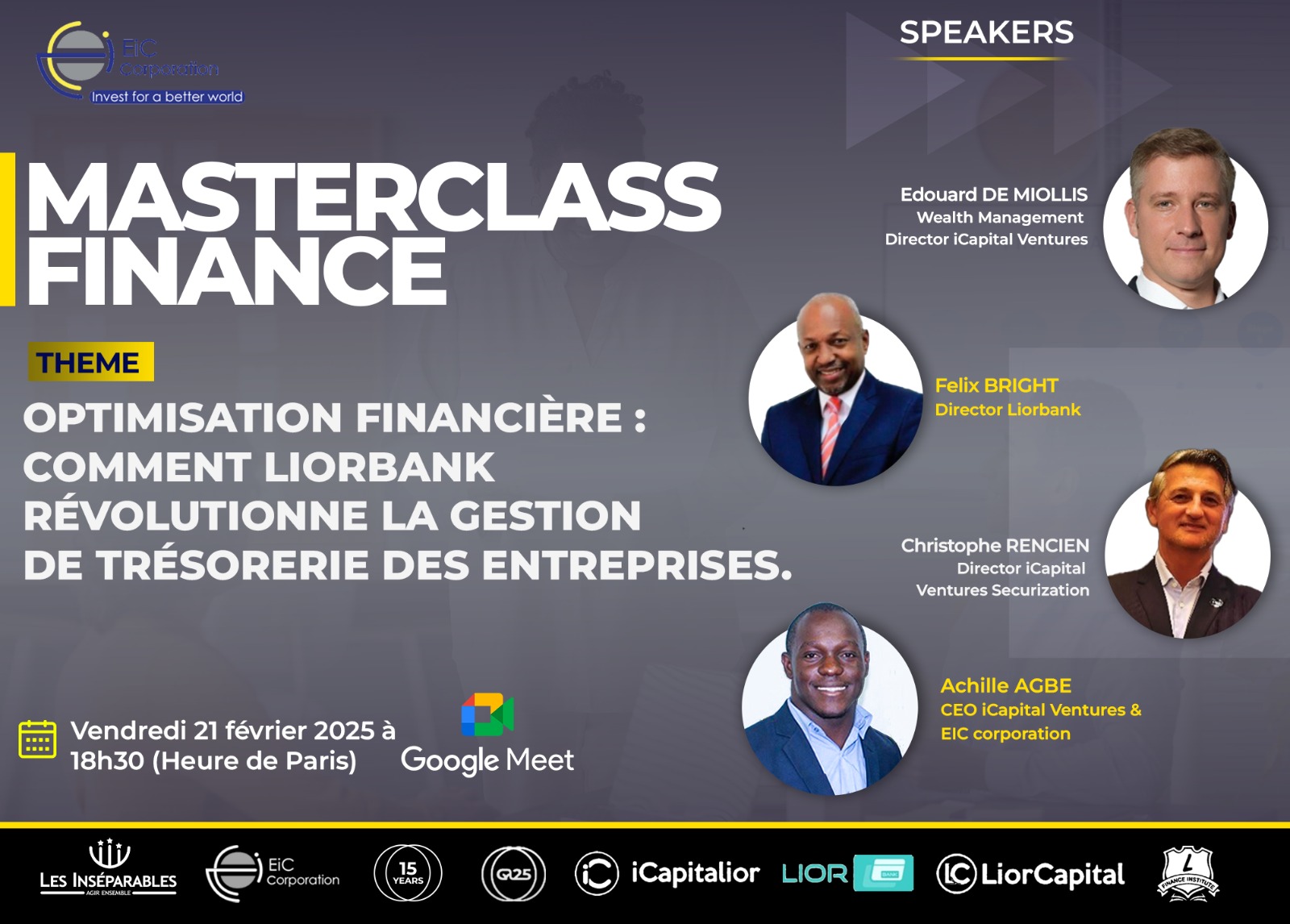
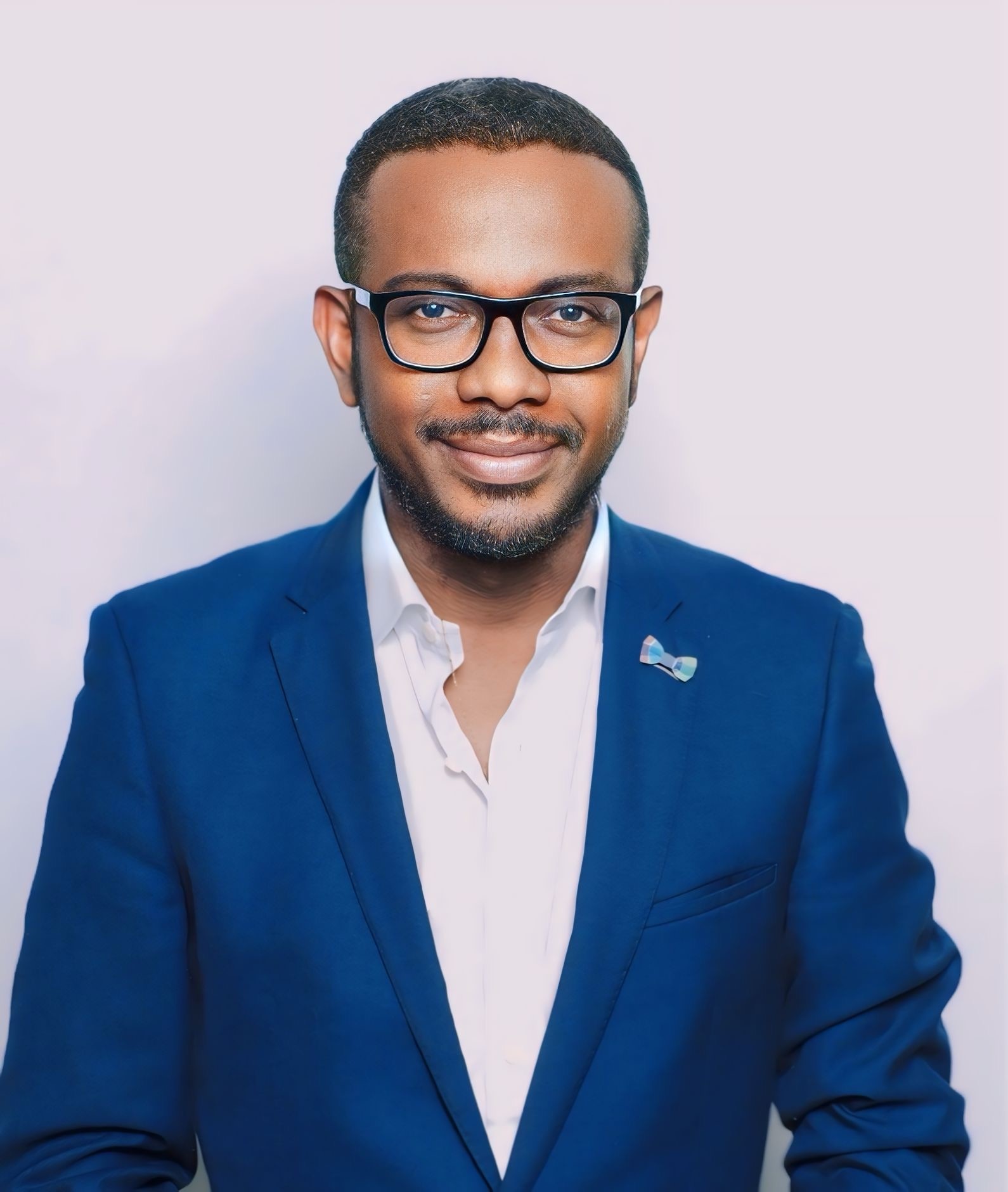
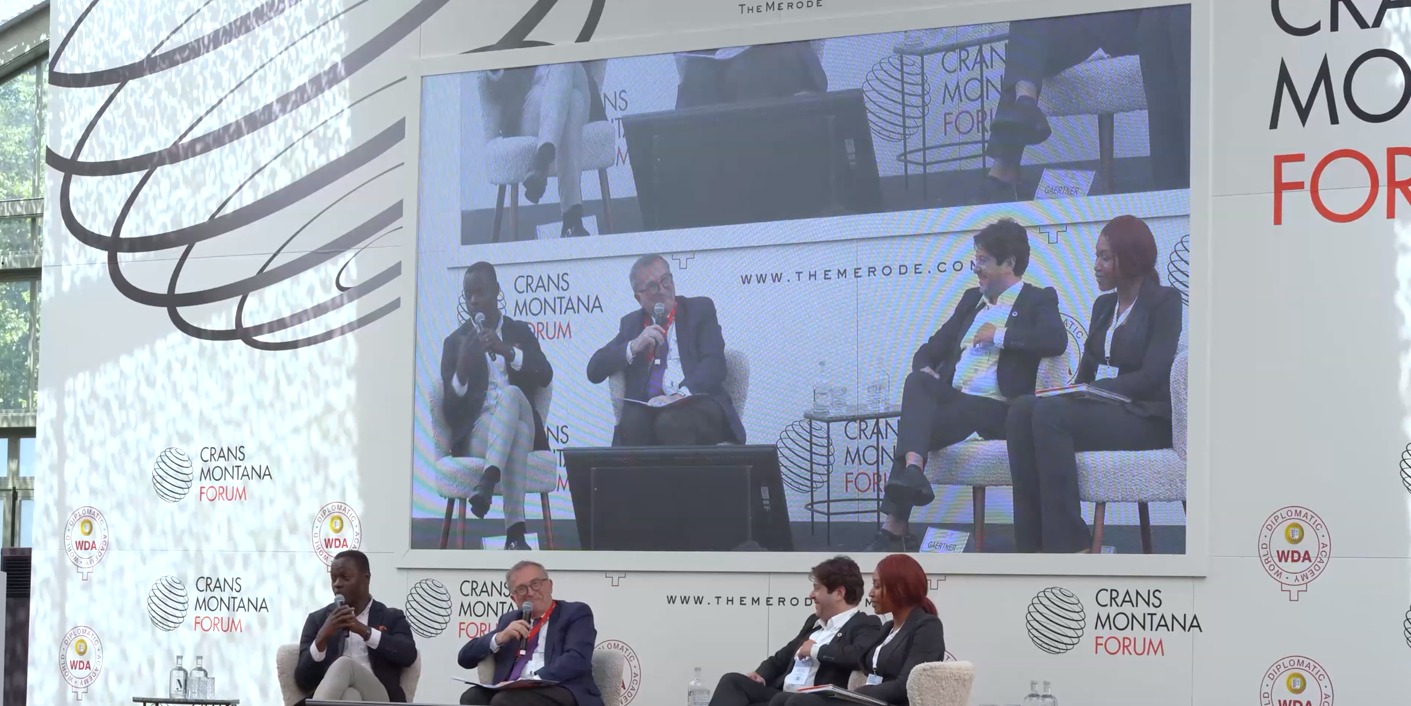
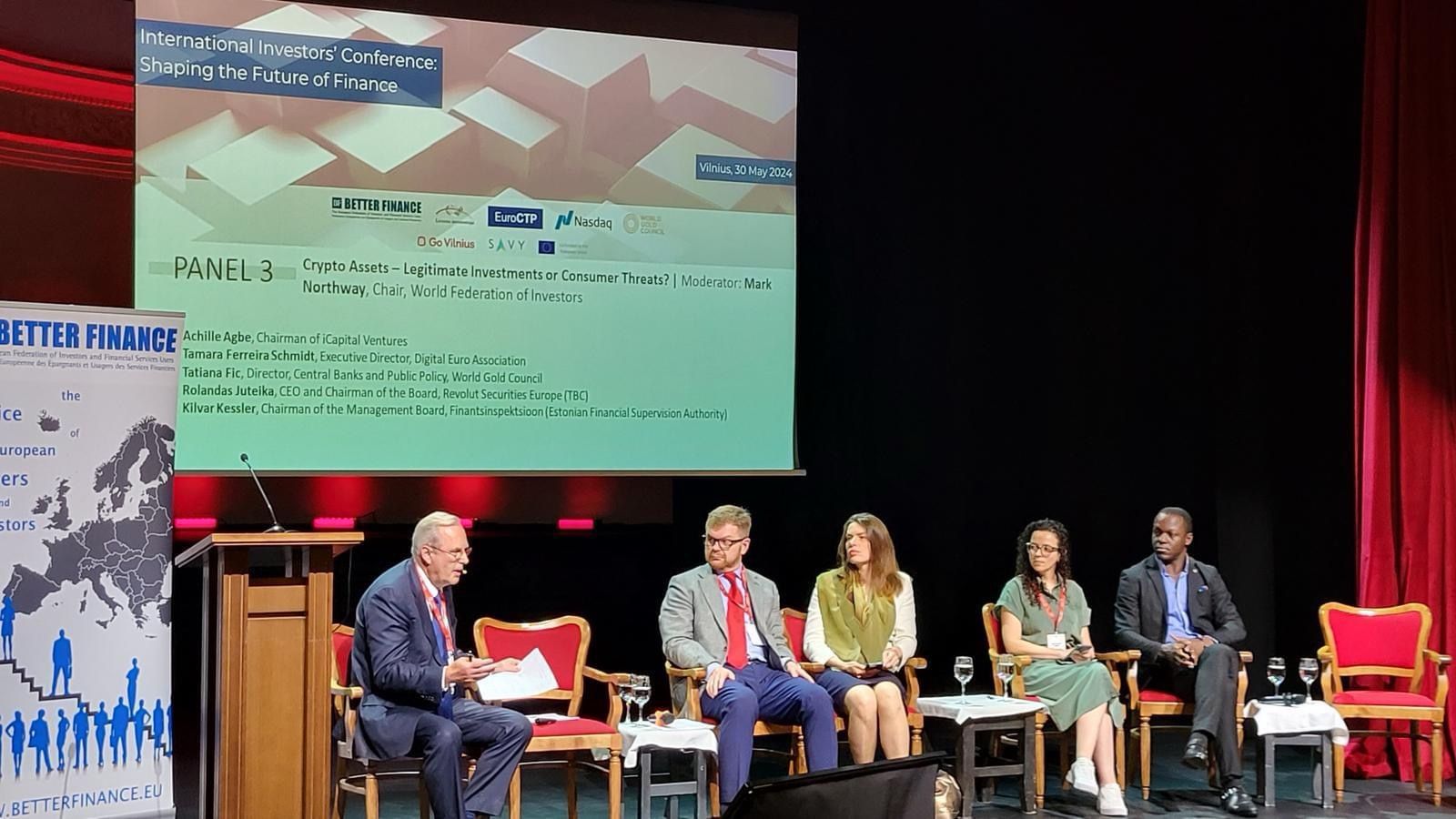
Few African professionals embody this intersection more clearly than Felix Edmond Wadja Bright, a regional finance and technology leader working across financial education, fintech, agritech, blockchain, tokenisation and economic diplomacy.
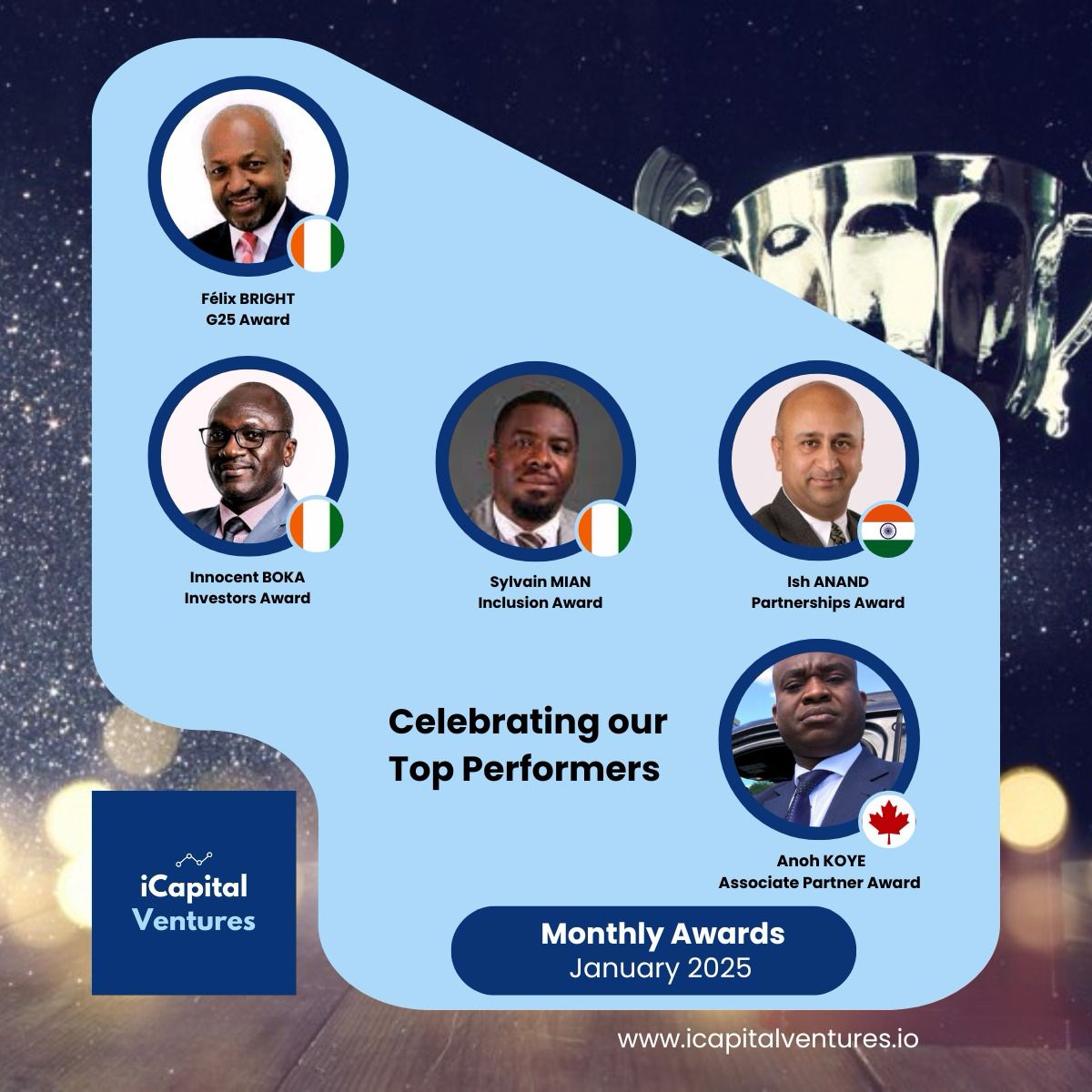
As Regional Vice-President for West and Central Africa at EIC International, Chairman of G25 Côte d’Ivoire and Founder and Managing Director of Bright Solutions, Felix Bright is developing a practical vision of inclusive finance: one that links digital infrastructure to the real economy and places vulnerable communities, farmers, entrepreneurs and unbanked populations at the centre of growth.
His work is built around a simple but powerful question:
How can finance become more accessible, more educational and more productive for the people and communities who need it most?
Table of Contents
A Career at the Intersection of Finance, Technology and Development
Felix Bright’s professional journey spans more than four decades across Africa, Europe and the United States. His academic background includes a Bachelor of Science in Computer and Information Sciences from the University of Southern California and an MBA from Woodbury University.
This combination of information technology, business administration and financial services has shaped his approach to economic development. Rather than treating technology as an isolated sector, he views it as an enabler of better financial systems, more efficient agricultural value chains and stronger local economies.
His previous experience includes regional leadership at Ecobank Transnational Incorporated, where he worked across cash management, internet and mobile banking, card businesses and trade finance. These areas provided a close understanding of the infrastructure required to make financial services useful, scalable and accessible.
Today, his work focuses on several connected priorities:
- Financial education and wealth-building awareness
- Digital transformation for small businesses and agricultural value chains
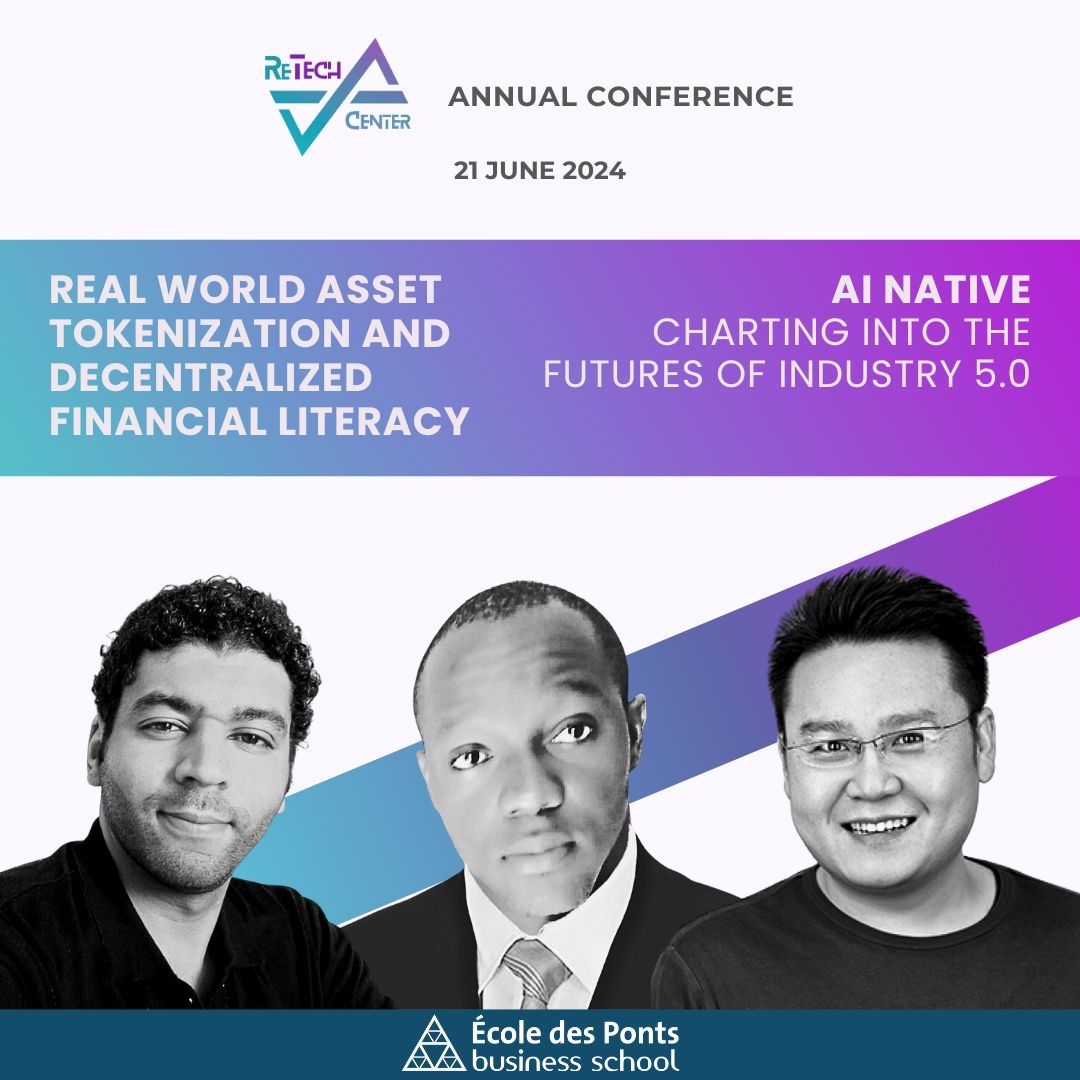
- Blockchain and asset tokenisation
- Decentralised and non-custodial financial models
- Insurance technology and digital risk management
- Economic diplomacy and international investment
- Rural inclusion and local economic development
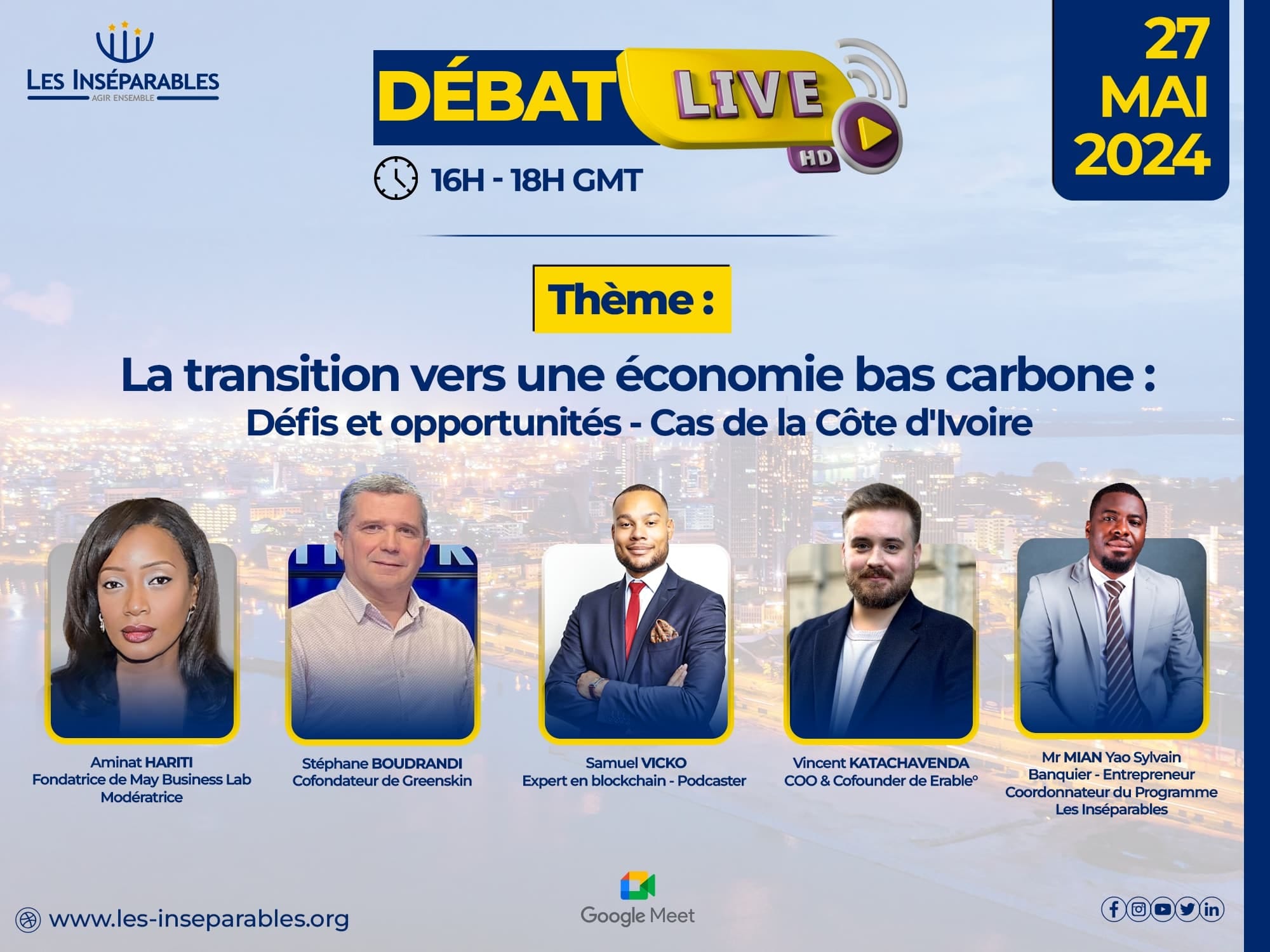
- Sovereign digital infrastructure for climate and development projects
This multidisciplinary perspective is central to his leadership philosophy. Financial inclusion, in his view, cannot be separated from education, infrastructure, trust, productive activity and community participation.
Why Financial Inclusion Requires More Than a Bank Account
Opening a bank account is only the first step toward financial inclusion. A person may have access to an account but still lack the knowledge, tools or income required to use it effectively.
The 2025 Global Findex shows that account ownership in Sub-Saharan Africa increased from 34% of adults in 2014 to 58% in 2024. The same research indicates that approximately 40% of adults in the region had a mobile money account in 2024. citehttps://www.worldbank.org/en/publication/globalfindex
These figures demonstrate meaningful progress, but they also reveal the scale of the opportunity. Millions of people remain outside formal financial systems, while many account holders still face challenges related to savings, credit, insurance, investment and financial literacy.
📊 58% in 2024, up from 34% in 2014 - Adults in Sub-Saharan Africa with a bank or mobile money account
For Felix Bright, inclusion therefore means more than providing access to payment tools. It also means helping individuals understand:
- How to save consistently
- How to manage household and business cash flow
- How to protect income against risk
- How to access productive financing
- How to participate in ownership and investment
- How to make informed decisions about digital assets
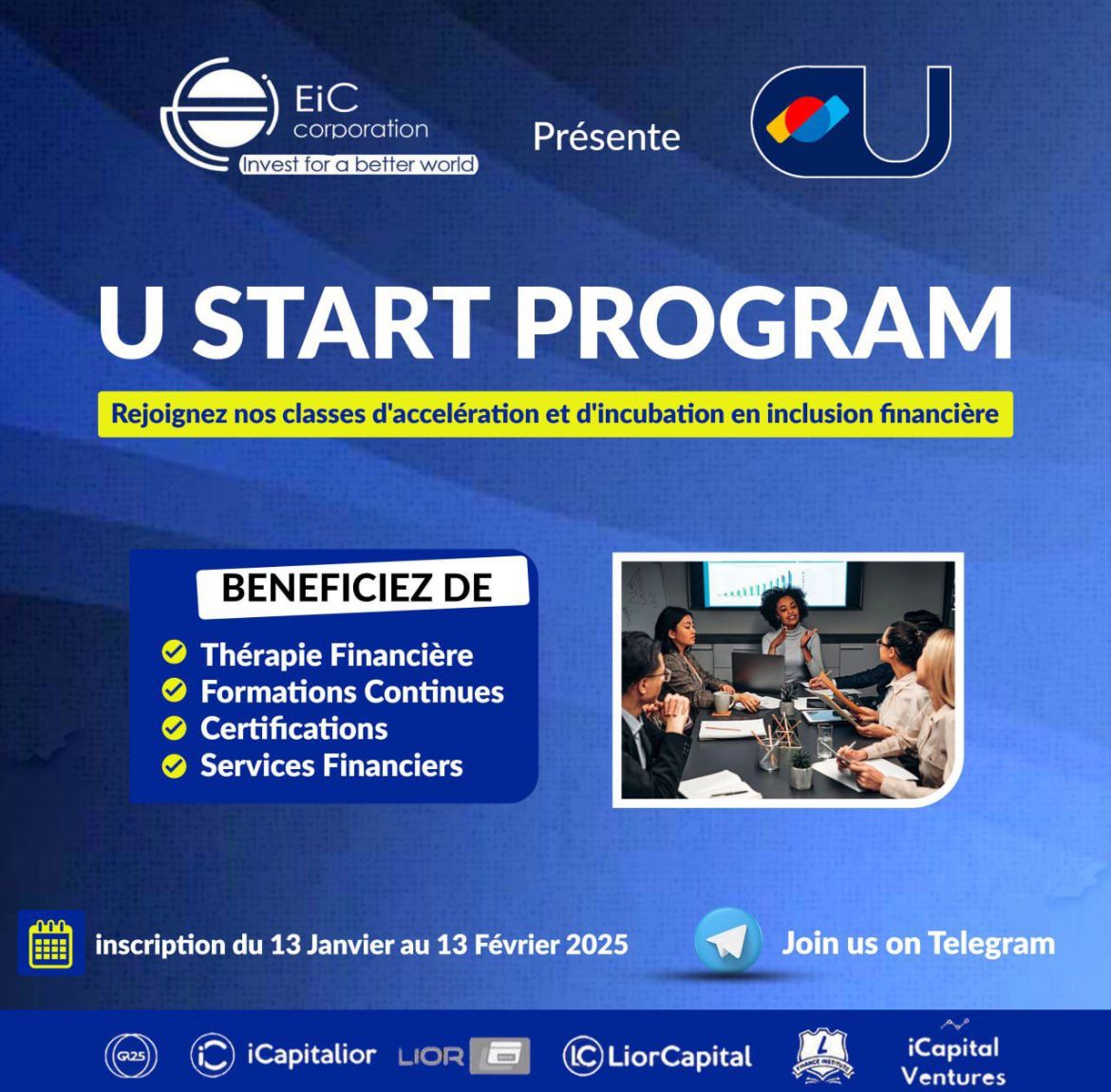
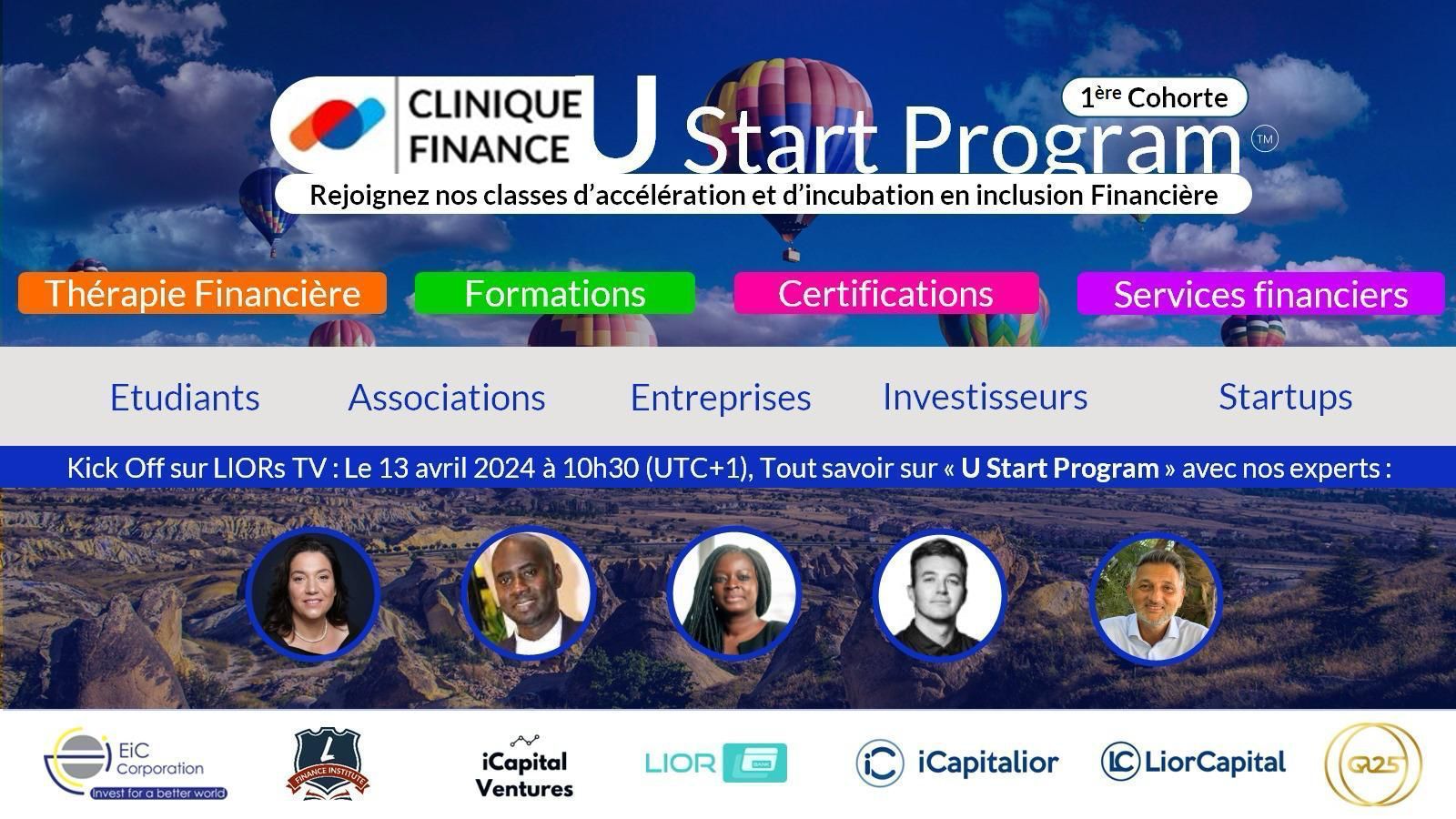
This philosophy is reflected in his support for financial education programmes and his work around the concept of Thérapie Financière, or Financial Therapy.
Connecting Digital Finance to the Real Economy
Digital finance creates the greatest impact when it supports productive activity. A payment application may make transactions faster, but a broader financial ecosystem can help a farmer purchase inputs, receive payment, insure a harvest, access training and reach new buyers.
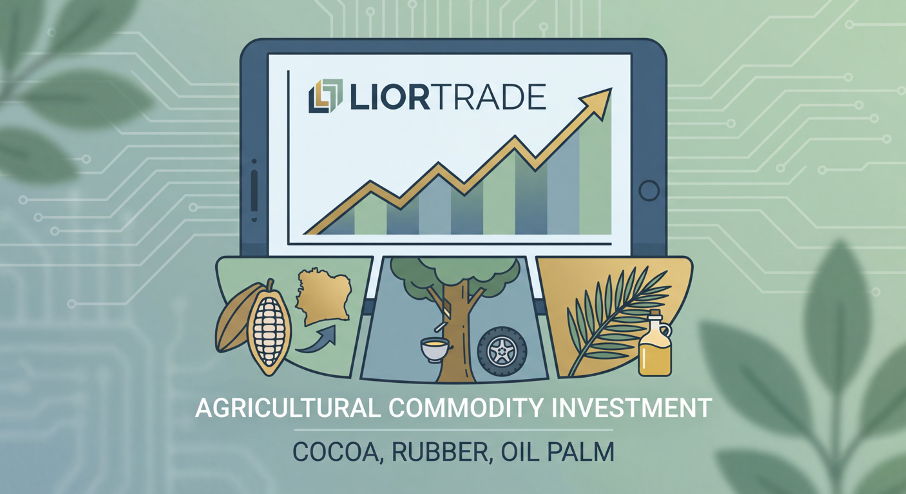
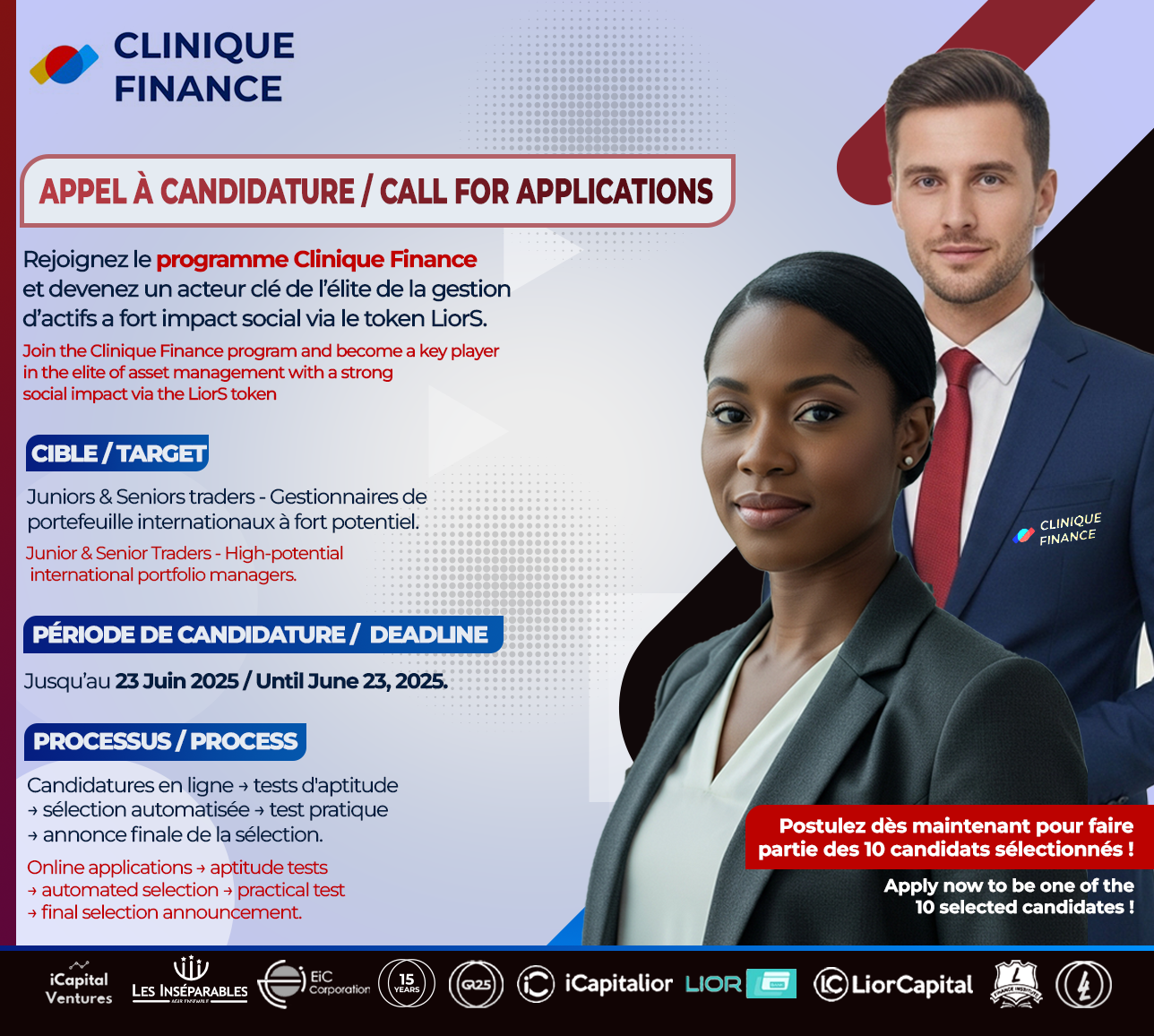
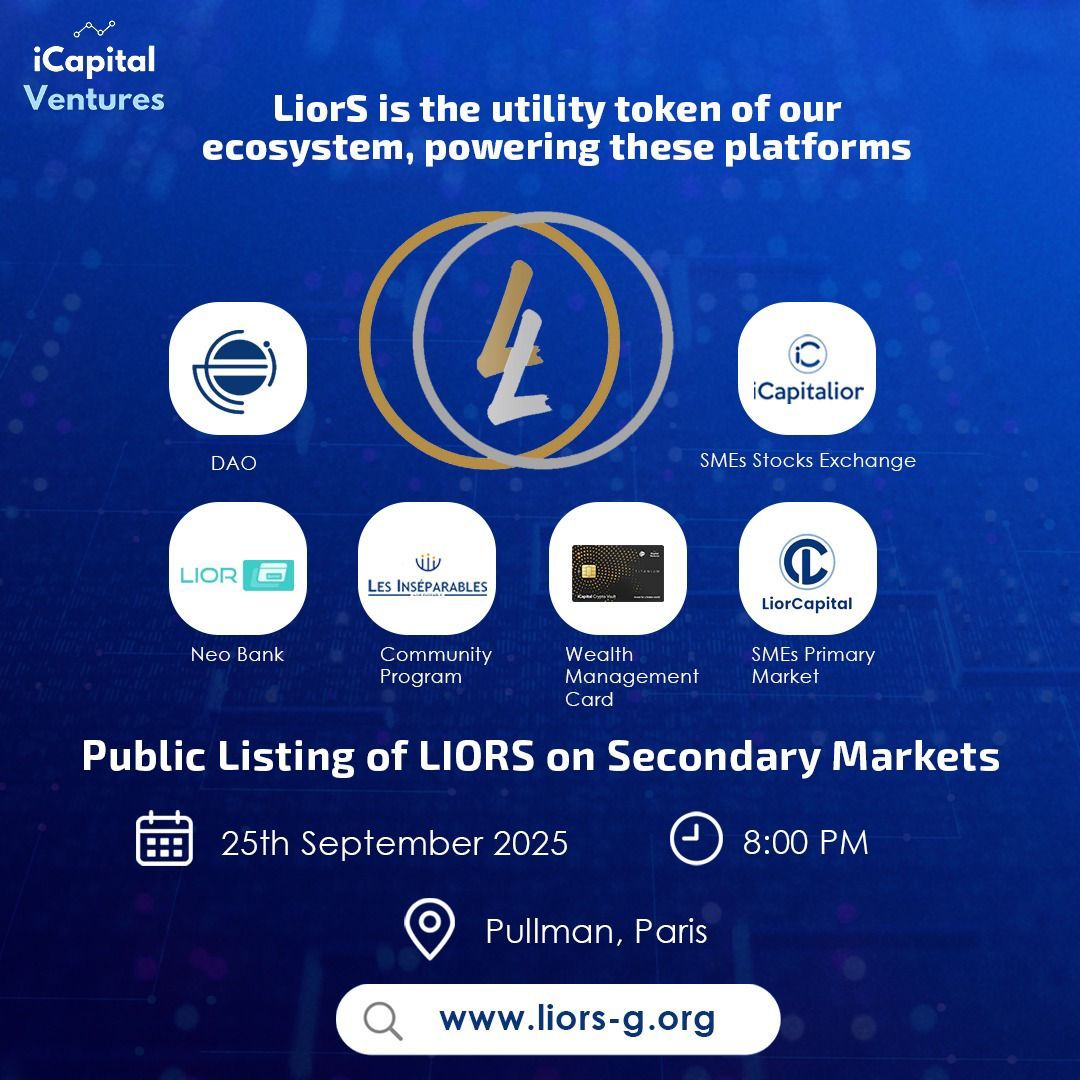
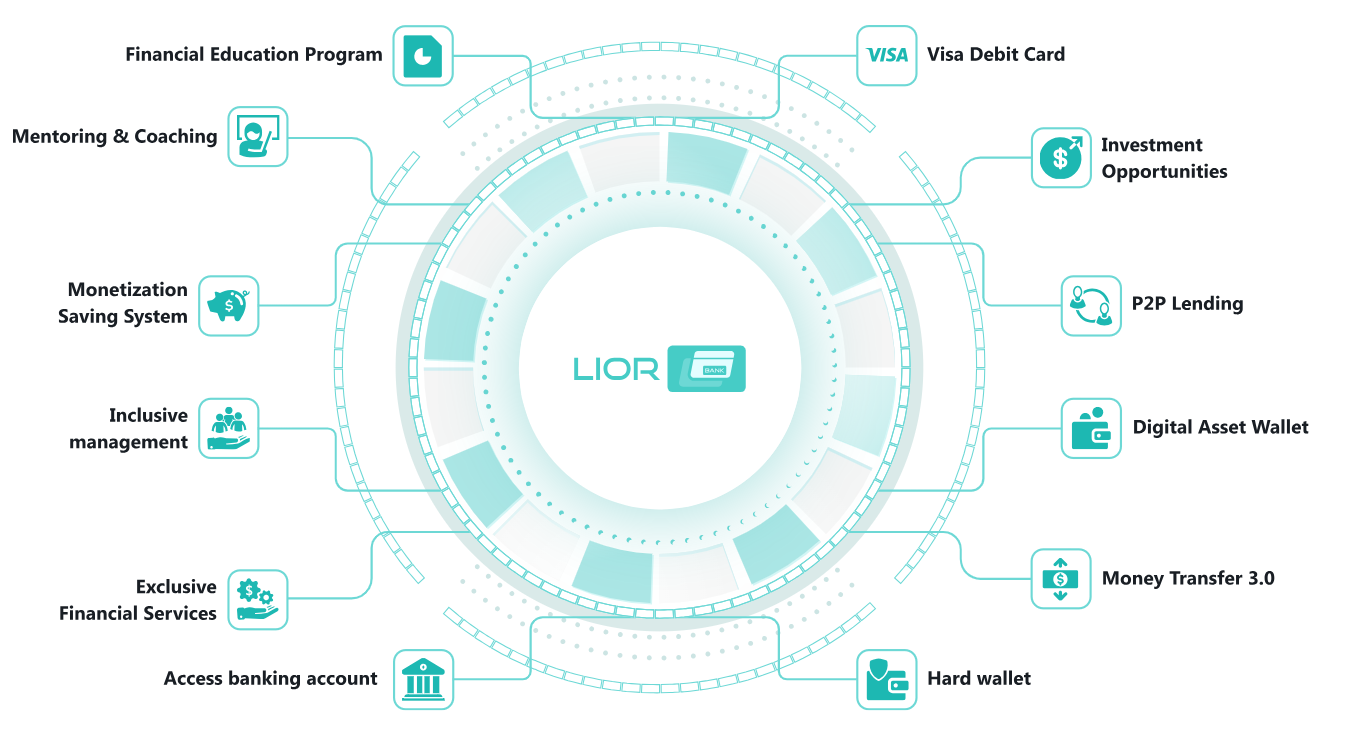
This is the logic behind Bright Solutions and the wider initiatives associated with EIC International, iCapital Ventures and LiorBank.
The model connects digital financial services with sectors such as:
| Sector | Digital opportunity | Potential impact |
| Agriculture | Digital value-chain management and financing | Better traceability and access to capital |
| Insurance | Mobile and data-enabled insurance products | Greater protection against shocks |
| Education | Digital learning and professional training | Improved financial and entrepreneurial literacy |
| Payments | Interoperable digital transactions | Faster and more transparent commerce |
| Investment | Tokenised assets and digital ownership | Broader participation in investment |
| Trade | Digital commodity platforms | Stronger connections between producers and buyers |
The objective is not to replace local economic actors. It is to give them better tools to participate in markets that have traditionally been difficult to access.
For rural communities, this could mean a cooperative receiving digital payments, a farmer creating a verifiable production history or a small enterprise using transaction data to demonstrate business activity to potential financiers.
Tokenisation and the Future of Agricultural Finance
Agriculture remains one of the most important areas for financial innovation in Africa. Yet farmers often face a complex combination of challenges: seasonal income, limited collateral, volatile prices, weak infrastructure, climate risk and dependence on intermediaries.
Côte d’Ivoire’s cocoa sector illustrates both the importance and vulnerability of agricultural value chains. The country remains one of the world’s leading cocoa producers, while the sector supports millions of livelihoods. Recent analyses have also highlighted persistent challenges related to traceability, farmer income, volatility and deforestation risk. citehttps://trase.earth/insights/cote-d-ivoire-cocoa-exports-and-deforestation-2026
Tokenisation offers one possible tool for addressing some of these structural challenges.
In practical terms, tokenisation can create a digital representation of an asset, commodity, receivable or investment interest on a programmable ledger. When properly structured, it can support:
- Improved traceability of commodities
- More transparent ownership records
- Fractional participation in investment opportunities
- Faster settlement between counterparties
- Better visibility across supply chains
- New financing mechanisms linked to productive assets
Brookings describes tokenisation as the creation of digital representations of traditional assets that can be tracked, managed and potentially exchanged through blockchain-based systems. It also stresses that regulated tokenised assets should be distinguished from speculative crypto-assets. citehttps://www.brookings.edu/articles/how-tokenization-can-accelerate-financing-of-small-and-medium-enterprises-in-africa
Felix Bright’s vision for agricultural tokenisation is particularly relevant to cocoa, coffee, rubber, oil palm, rice and cassava. The concept is to bring greater structure to the relationship between production, financing, logistics and international markets.
However, tokenisation is not a substitute for good governance. It must be supported by:
- Clear legal ownership rights
- Reliable data collection
- Independent verification
- Strong consumer protection
- Anti-money-laundering controls
- Cybersecurity standards
- Transparent pricing mechanisms
- Accessible digital education
Without these foundations, a token may digitise a problem rather than solve it.
Financial Therapy: Making Financial Education Practical
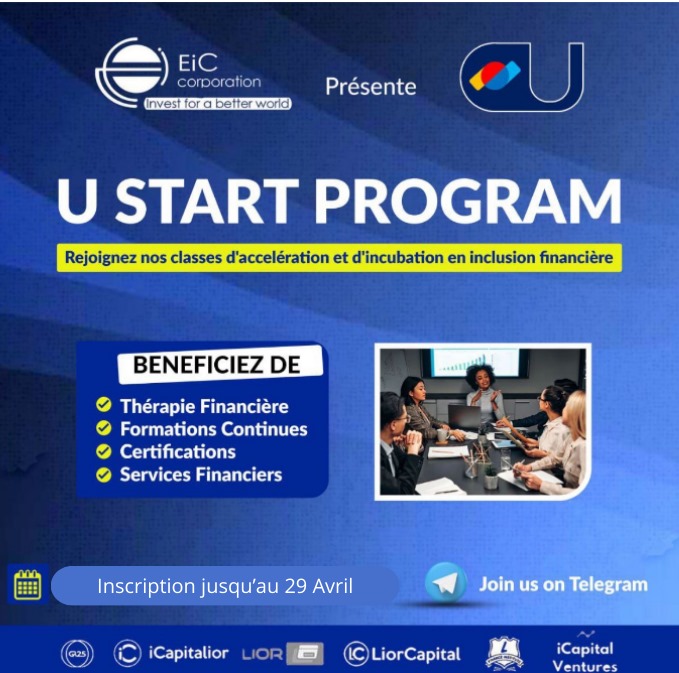
The Financial Therapy programme associated with LiorBank is based on the idea that financial transformation begins with behaviour and education.
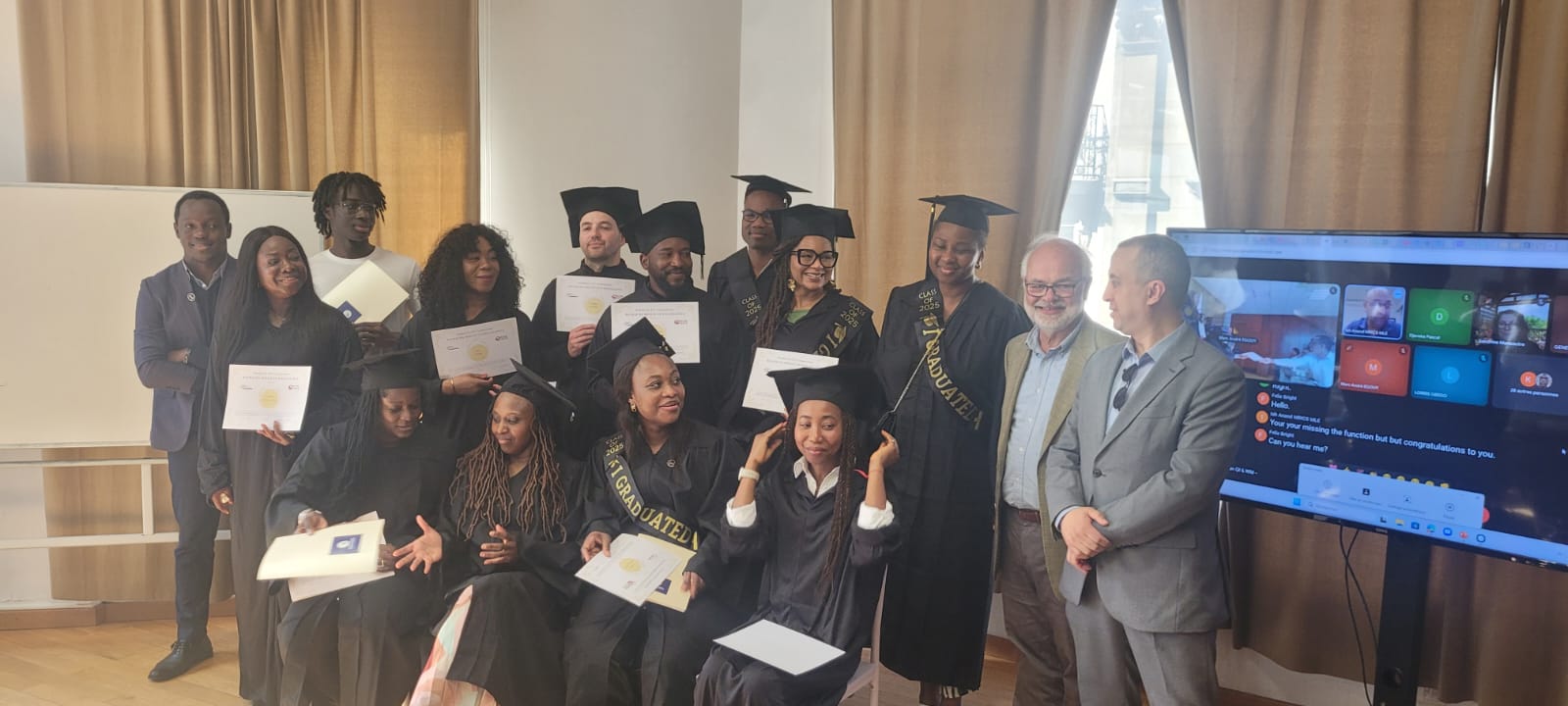
Instead of presenting finance as something reserved for banks, investment professionals or wealthy individuals, the approach encourages participants to develop practical habits around savings, budgeting, investment and value creation.
The programme is structured around five areas:
- Personal finance
- Business finance
- Financial markets
- Digital finance
- Green finance
This educational dimension is important because financial products can only be empowering when users understand their risks, responsibilities and opportunities.
A savings mechanism, for example, can help build discipline. But participants should also understand liquidity, inflation, counterparty risk, digital security, legal structures and the difference between saving and investing.
The broader ambition is to create more financially confident citizens who can participate in economic life rather than simply consume financial services.
This is especially important for young people, entrepreneurs, informal businesses and rural populations, where limited access to formal training can restrict long-term wealth creation.
Les Inséparables and Rural Economic Development
Financial inclusion becomes more meaningful when it is connected to local economic development.
The Les Inséparables programme is designed to support unbanked rural communities by linking people, local entrepreneurship, agricultural activities and financial services.
The concept recognises that rural communities do not need isolated interventions. They need coordinated ecosystems that can combine:
- Financial education
- Agricultural support
- Local entrepreneurship
- Access to markets
- Digital payment tools
- Skills development
- Cooperative organisation
- Community-based investment
A local economic platform can help transform rural areas from places viewed primarily as sources of raw materials into communities capable of creating, retaining and reinvesting value.
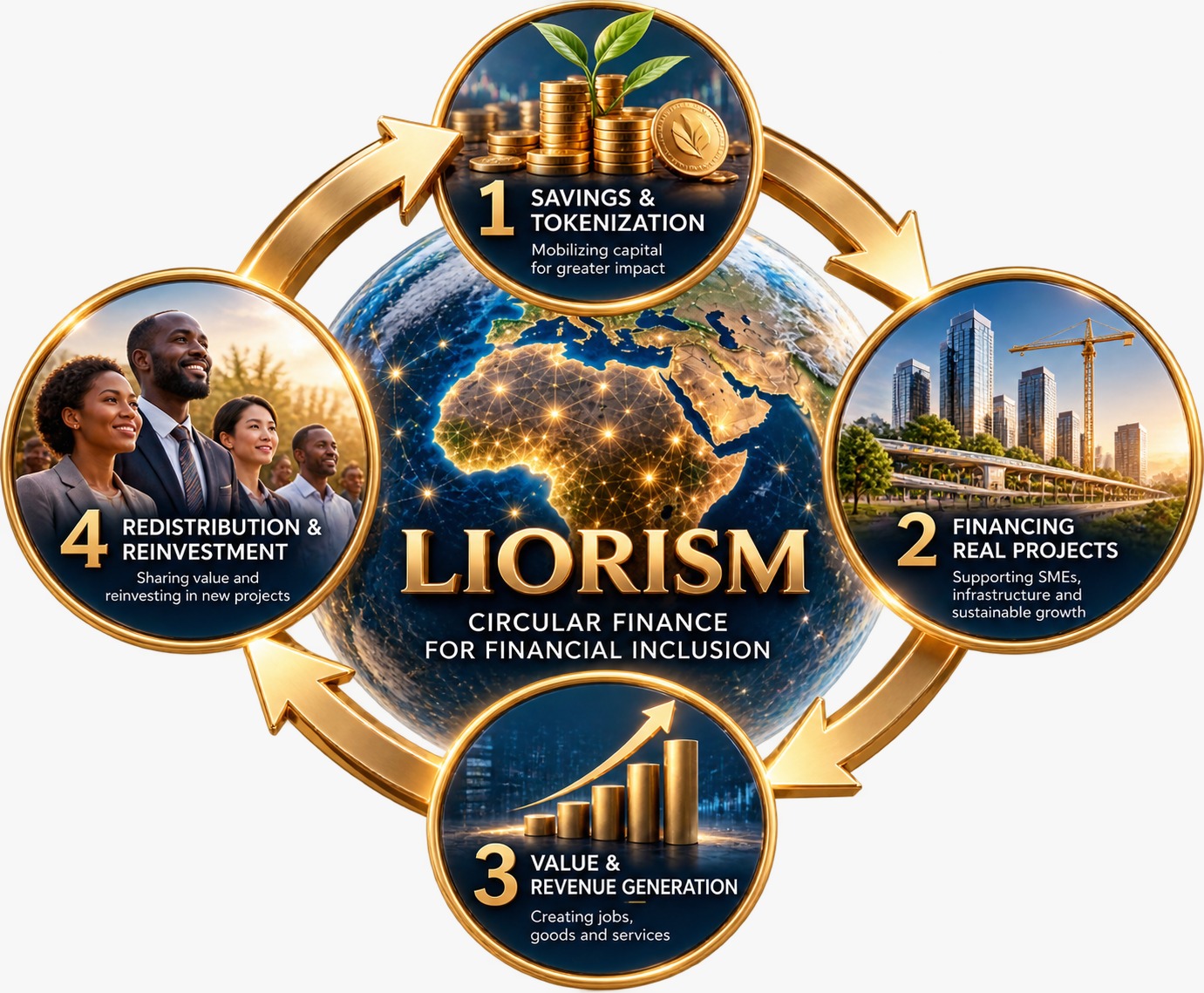
This approach is consistent with Felix Bright’s broader commitment to circular finance. In a circular financial model, capital is not extracted from a community and disconnected from local development. Instead, savings, investments, production and consumption are linked so that value can circulate within the economic ecosystem.
The Strategic Importance of Interoperable Payments
A strong digital economy requires payment systems that can work across banks, fintechs, mobile-money operators and businesses.
In September 2026, the BCEAO announced the homologation of Business APIs for the interoperable instant payment platform PI-SPI in the West African Economic and Monetary Union. The central bank stated that these APIs are intended to support integrated payment services, expand the range of digital payment solutions and strengthen interoperability across participants. citehttps://www.bceao.int/fr/communique-presse/homologation-des-api-business-de-la-plateforme-interoperable-du-systeme-de
The BCEAO also reported that, as of June 24, 2026, 80 participants were connected to PI-SPI and that several million people had access to the platform’s services. citehttps://www.bceao.int/fr/communique-presse/prolongation-du-delai-de-connexion-a-pi-spi
📊 24 listed participants in the BCEAO update dated September 17, 2026 - Homologated Business APIs for PI-SPI
For businesses, interoperable payments can improve:
- Supplier and customer payments
- Payroll distribution
- Treasury management
- Transaction reconciliation
- Cross-border commerce
- Digital recordkeeping
- Access to financial data
At the same time, greater speed creates new responsibilities. Companies must strengthen controls against fraud, cyberattacks, identity theft, system outages and data misuse.
This balance between innovation and risk management is a recurring theme in Felix Bright’s work. Digital transformation should make finance faster, but also safer, more transparent and more accountable.
A Responsible Model for Digital Transformation
Felix Bright’s professional profile reflects a broader movement in Africa: the emergence of leaders who combine technology, finance, entrepreneurship and social impact.
His work highlights several principles for responsible digital development.
1. Technology must serve a social purpose
Digital platforms should solve real problems, such as access to payments, financing, training, insurance and markets.
2. Education must accompany innovation
Users need practical knowledge to make informed decisions and protect themselves from financial abuse.
3. The real economy must remain central
Financial innovation should support agriculture, SMEs, local businesses, infrastructure and employment.
4. Ownership should become more accessible
Tokenisation and digital investment models may help broaden participation, provided they operate within appropriate legal and regulatory frameworks.
5. Sovereignty and resilience matter
African countries require digital infrastructure that supports local development, data protection, continuity and strategic autonomy.
6. Inclusion must be measured by outcomes
The real test is not how many people download an application. It is whether communities experience better incomes, stronger businesses, improved resilience and greater participation in wealth creation.
FAQ
Who is Felix Edmond Wadja Bright?
Felix Edmond Wadja Bright is a West and Central Africa finance and technology executive, entrepreneur and social-impact advocate. He serves as Regional Vice-President at EIC International, chairs G25 Côte d’Ivoire and is the Founder and Managing Director of Bright Solutions.
What areas does Felix Bright specialise in?
His areas of expertise include fintech, agritech, blockchain, asset tokenisation, financial education, digital banking, insurance technology, business analytics, financial consulting and wealth management.
How can tokenisation support African agriculture?
Tokenisation can create digital representations of agricultural assets, commodities or investment interests. When supported by legal verification, traceability and strong governance, it may help improve access to finance, transparency, ownership and international markets.
What is Financial Therapy?
Financial Therapy is an education-oriented approach focused on building practical financial habits. It covers personal finance, business finance, financial markets, digital finance and green finance.
Why are interoperable payment systems important?
Interoperable payment systems enable users and businesses connected to different financial providers to send and receive payments more efficiently. They can reduce fragmentation, accelerate transactions and support regional commerce, while also requiring stronger cybersecurity and risk-management controls.
Key Figures
📊 58% of adults in Sub-Saharan Africa had a bank or mobile money account in 2024, compared with 34% in 2014.
Source: World Bank Global Findex 2025
💳 40% of adults in Sub-Saharan Africa had a mobile money account in 2024.
Source: World Bank Global Findex 2025
🌍 80 participants were connected to the PI-SPI interoperable instant payment platform as of June 24, 2026.
Source: BCEAO
🍫 Côte d’Ivoire accounted for approximately 36% of global cocoa bean production in 2024, according to Trase’s analysis of the sector.
Source: Trase, 2026
Felix Edmond Wadja Bright represents a model of African leadership that brings together technology, finance, agriculture and social development.
Through his work with EIC International, Bright Solutions, G25 Côte d’Ivoire and related financial and agricultural initiatives, he is contributing to a vision in which digital finance is not an end in itself. It is a tool for education, ownership, resilience and local value creation.
The future of inclusive finance in Africa will depend on more than digital accounts or blockchain platforms. It will require trusted institutions, responsible innovation, interoperable infrastructure, practical education and strong connections to the real economy.
By focusing on farmers, entrepreneurs, rural communities and underserved populations, Felix Bright’s approach offers a clear direction: build financial systems that do not merely move money faster, but help more people participate in creating and sustaining wealth.

















































Share
00 Comments
No Comments found!